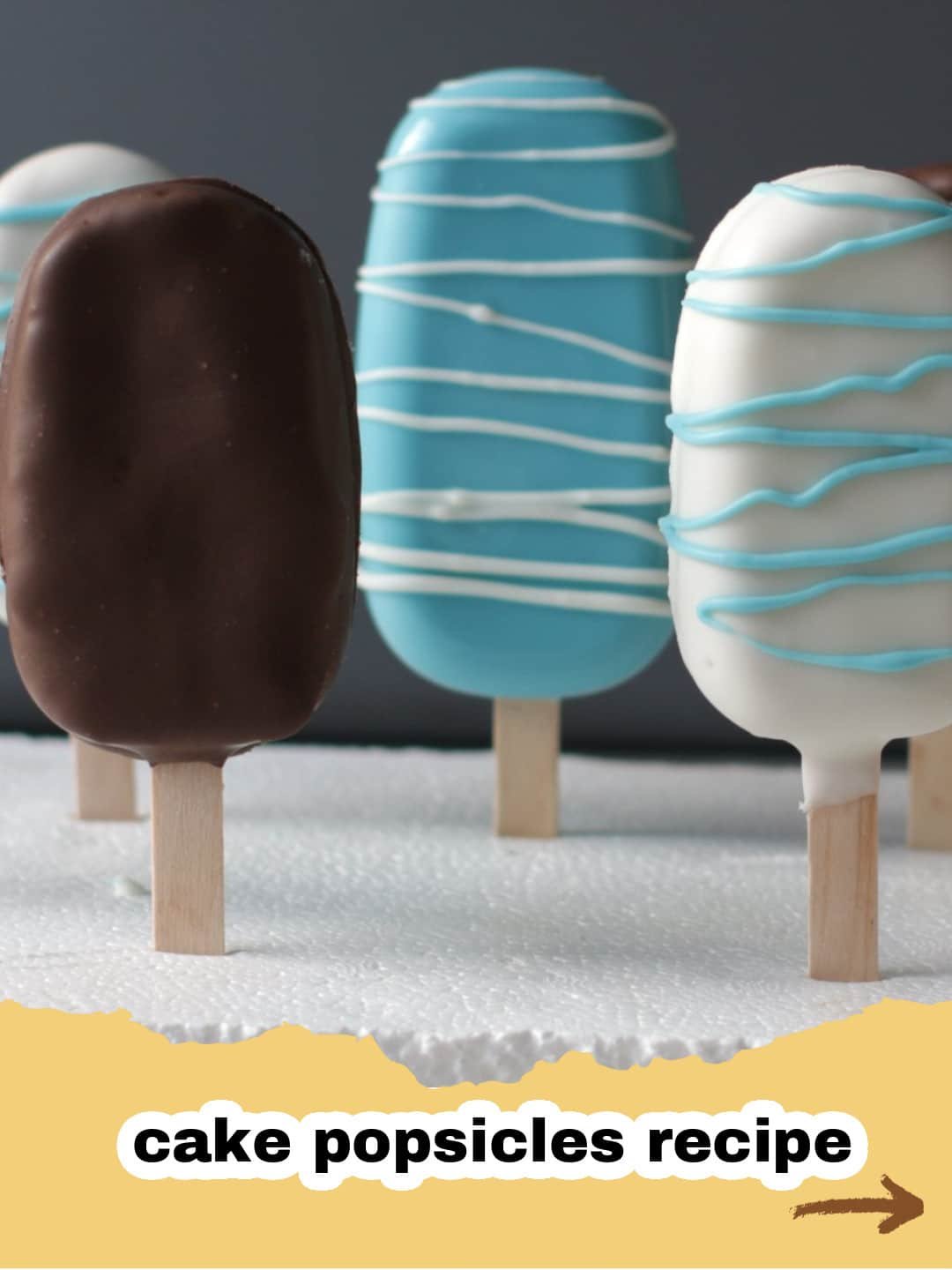
Cakesicles have completely transformed the way I look at dessert leftovers, turning a simple crumbled cake into a decadent, handheld masterpiece that looks like it came straight from a professional bakery. I remember the first time I attempted to make these trendy treats for my daughter's birthday party; I was intimidated by the sleek, shiny chocolate shells and the perfectly uniform popsicle shapes. However, once I realized that cakesicles are essentially a sturdier, more canvas-like version of the classic cake pop, my kitchen became a playground of creativity. There is something incredibly satisfying about snapping through a crisp chocolate exterior to reveal a moist, flavorful cake center. Whether you are a seasoned baker or someone who just enjoys a fun weekend project, mastering the art of the cakesicle is a rewarding journey that blends baking with artistry. In this guide, I will share every secret I have learned about getting that perfect finish and the most delicious flavor combinations imaginable.
Why This Recipe is a Must-Try
- Durability and Ease: Unlike traditional cake pops which can often fall off their sticks, cakesicles are securely molded, making them much easier to decorate, transport, and serve at large gatherings.
- Versatile Canvas: The flat surface of a cakesicle offers a much larger area for intricate designs, drizzling, sprinkles, and even edible gold leaf compared to a spherical pop.
- Leftover Magic: This recipe is the perfect way to utilize extra cake layers or even a slightly over-baked cake, turning what might be waste into a high-end dessert.
- Customizable Flavors: You can use any cake and frosting combination, such as the rich base found in The Most Irresistible Red Velvet Cake with Cream Cheese Frosting, to suit your specific theme.
Key Ingredient Notes
To ensure your cakesicles turn out perfectly, focusing on the quality of your ingredients is paramount. First and foremost is the chocolate or candy coating. While professional pastry chefs might use tempered couverture chocolate, I highly recommend high-quality candy melts or compound chocolate for beginners. These options are specifically designed to melt smoothly and set firmly without the temperamental nature of real cocoa butter. The result is a glossy, snap-worthy shell that holds up at room temperature.
The second critical component is the cake-to-frosting ratio. You want a mixture that is moist enough to hold together when pressed into the mold but not so wet that it becomes mushy or greasy. A great tip is to start with a small amount of frosting and gradually add more until the cake crumbs resemble damp sand. For a fruity twist, you can even incorporate a small amount of The Ultimate Homemade Strawberry Sauce Recipe for Every Occasion into your cake mixture to add a burst of natural berry flavor and moisture.
Step-by-Step Guide with Pro Tips
Creating cakesicles is a multi-stage process that requires patience, but the results are well worth the effort. Follow these detailed steps to ensure success.
Preparing the Shell
Begin by melting your chocolate in 30-second intervals in the microwave, stirring thoroughly between each burst. Once smooth, spoon about one tablespoon of chocolate into each cavity of your silicone cakesicle mold. Use a clean food-safe paintbrush or the back of a spoon to spread the chocolate up the sides, ensuring the edges are thick enough to prevent cracking. A common pro tip is to do a "double coat"—let the first layer set in the fridge for 5 minutes, then apply a second thin layer of chocolate around the top rim and sides where the shell is most vulnerable.
The Cake Filling
While your shells are setting, crumble your pre-baked cake into fine pieces. Mix in your chosen frosting until the texture is pliable. Insert your popsicle sticks into the mold through the designated slits *before* adding the cake. This ensures the stick is properly positioned. Then, gently press the cake mixture into the chocolate-lined cavities, leaving a small gap (about 1-2mm) at the top for the final chocolate seal. Be careful not to press too hard, or you might crack the delicate side walls of your chocolate shell.
Sealing and Demolding
Spread a final layer of melted chocolate over the back of the cake filling, smoothing it out with an offset spatula. Scrape away any excess chocolate from the edges of the mold to ensure a clean finish. Place the mold in the refrigerator for at least 20-30 minutes. When you are ready to demold, gently peel the silicone away from the chocolate edges first, then slowly push the cakesicle up from the bottom while pulling the stick. If the chocolate feels soft, put it back in the fridge immediately; a cold cakesicle is a sturdy cakesicle.
Variations & Serving Suggestions
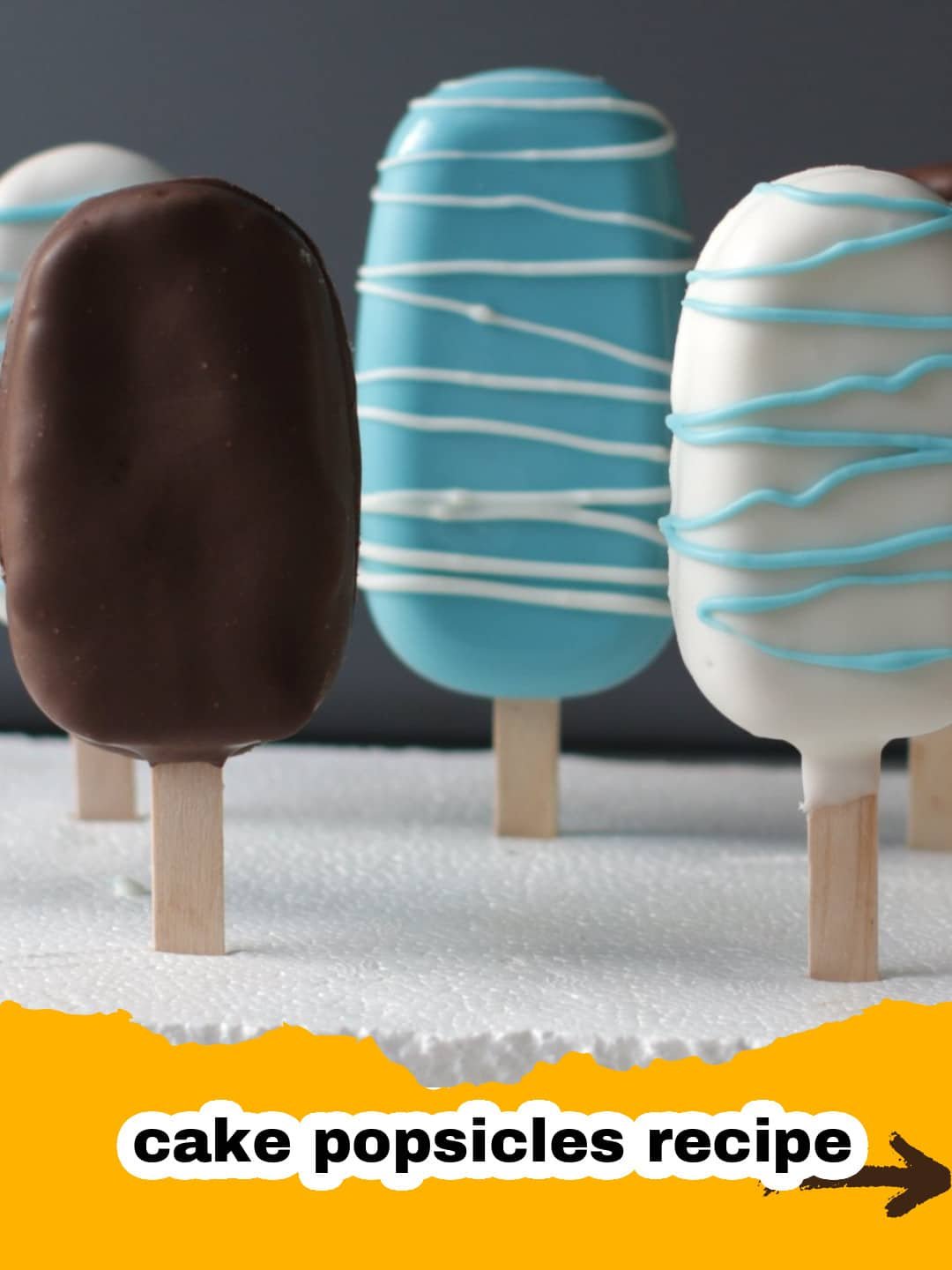
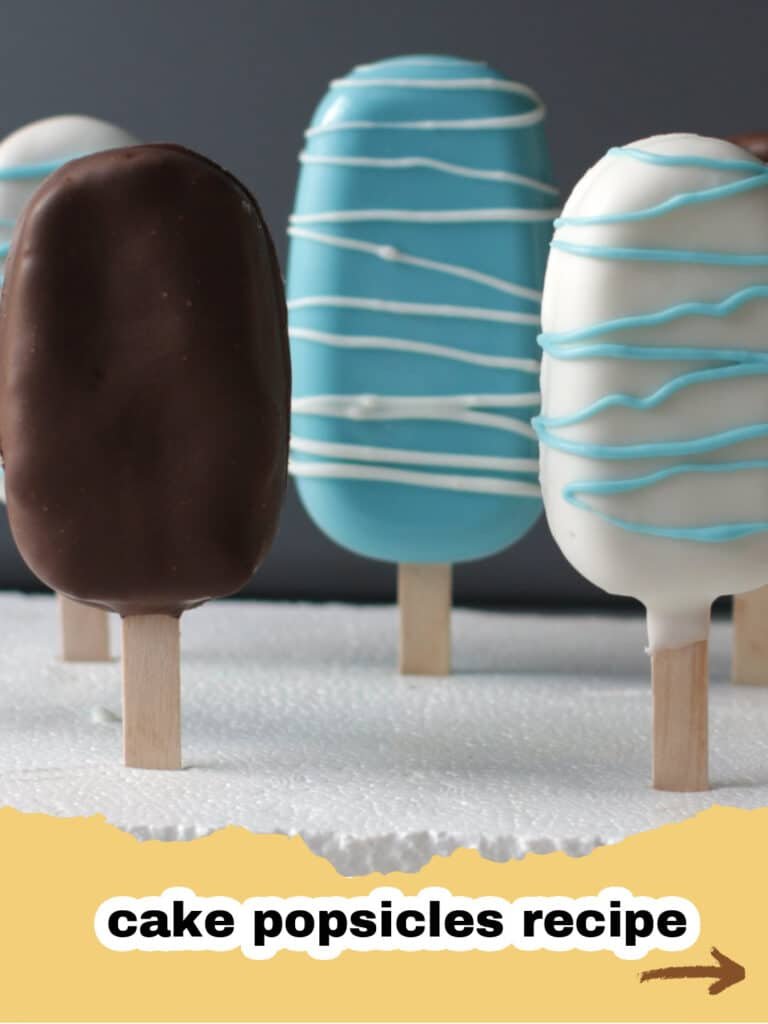
The beauty of cakesicles lies in their endless variety. For a sophisticated look, use white chocolate shells with a light metallic luster dust or dried flower petals. If you are preparing these for a child's birthday, vibrant colors and themed sprinkles are always a hit. You can also experiment with fillings; try adding a small pocket of caramel, peanut butter, or even a whole raspberry in the center of the cake mixture for a surprise element. When it comes to serving, these treats look beautiful displayed on a platter or individually wrapped in cellophane bags with a ribbon. For leftovers, I always store them in Basics Glass Food Storage to keep the shells crisp and the cake moist for several days.
Nutrition Information
| Nutrient | Amount |
|---|---|
| Calories | 295 kcal |
| Carbohydrate Content | 38g |
| Cholesterol Content | 15mg |
| Fat Content | 14g |
| Fiber Content | 1g |
| Protein Content | 3g |
| Saturated Fat Content | 8g |
| Serving Size | 1 cakesicle |
| Sodium Content | 120mg |
| Sugar Content | 28g |
| Trans Fat Content | 0g |
| Unsaturated Fat Content | 5g |
Please note that these values are estimates based on standard ingredients and may vary depending on the specific cake and chocolate brands used.
Conclusion
Making cakesicles is a delightful way to elevate your baking game and impress your friends and family with minimal specialized equipment. By following these tips—especially the double-coating technique and careful demolding—you will produce professional-looking treats every time. Don't be afraid to experiment with different flavors and decorations to make this recipe truly your own. Happy baking!
FAQs
What is the difference between a cake pop and a cakesicle?
The main difference is the shape and the method of creation. Cake pops are hand-rolled into balls and dipped, while cakesicles are made in a popsicle-shaped silicone mold, allowing for a thicker, more uniform chocolate shell and a larger surface for decoration.
Why did my cakesicle shell crack when I took it out of the mold?
Cracking usually happens if the chocolate shell is too thin, especially around the edges. To prevent this, apply a second coat of chocolate to the sides of the mold before adding the cake filling.
How should I store finished cakesicles?
Cakesicles should be stored in an airtight container in the refrigerator for up to a week. For the best texture, let them sit at room temperature for 15 minutes before serving so the cake inside softens.
Easy Homemade Cakesicles
A trendy and delicious handheld dessert featuring a moist cake center encased in a crisp chocolate popsicle shell. Perfect for parties and celebrations.
- Total Time: PT45M
- Yield: 12 cakesicles
Ingredients
4 cups crumbled cake (Vanilla, Chocolate, or Red Velvet)
1/2 cup buttercream frosting
16 oz candy melts or high-quality compound chocolate
Optional: Sprinkles, luster dust, or edible decorations
12 popsicle sticks
Instructions
Step 1: Melt the candy melts or chocolate in the microwave in 30-second increments, stirring until completely smooth.
Step 2: Place a tablespoon of chocolate into each silicone mold cavity and spread evenly up the sides with a brush; chill for 5 minutes.
Step 3: Apply a second thin coat of chocolate to the sides of the mold if needed to ensure a sturdy shell, then chill again.
Step 4: Crumble the cake and mix with frosting until it reaches a dough-like consistency.
Step 5: Slide the popsicle sticks into the mold slits, then fill each cavity with the cake mixture, leaving room at the top.
Step 6: Top with remaining melted chocolate to seal the backs, scrape off excess, and refrigerate for 30 minutes before carefully demolding.
Notes
Always ensure the chocolate is completely set before trying to remove them from the mold to avoid breakage.
- Prep Time: PT45M
- Cook Time: PT0M
- Category: Desserts & Baking
- Cuisine: American
Nutrition
- Serving Size: 1 cakesicle
- Calories: 295 kcal
- Sugar: 28g
- Sodium: 120mg
- Fat: 14g
- Saturated Fat: 8g
- Unsaturated Fat: 5g
- Trans Fat: 0g
- Carbohydrates: 38g
- Fiber: 1g
- Protein: 3g
- Cholesterol: 15mg


Leave a Reply