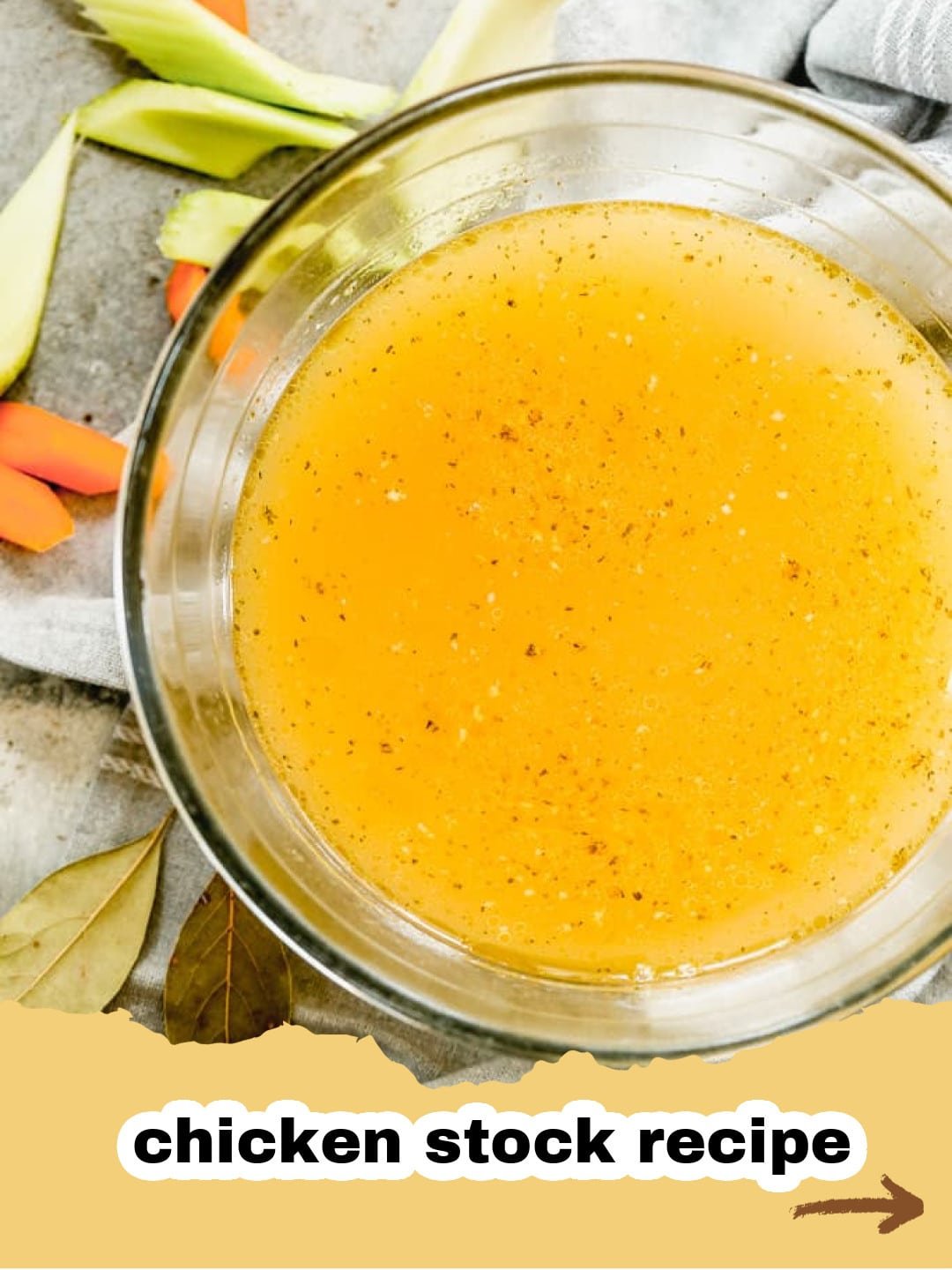
Making Chicken Stock from scratch is like weaving a liquid gold tapestry of flavor that transforms every dish it touches. I remember the Sunday afternoons of my childhood, where the air in my grandmother's kitchen was heavy with the scent of simmering herbs and roasting poultry. She used to say that a kitchen without a pot of bubbling bones was a kitchen without a soul. Back then, I didn't understand the science of collagen or the depth of the Maillard reaction; I just knew that the soup she made from that golden elixir could cure a broken heart and a common cold simultaneously. Today, whenever I start a batch of my own Chicken Stock, that same comforting aroma fills my home, connecting me to those memories and providing a foundation for countless meals. Store-bought cartons simply cannot replicate the silky mouthfeel and rich, complex profile that comes from slow-simmering high-quality ingredients in your own stockpot. It is the ultimate kitchen luxury that costs pennies to make but pays dividends in every spoonful of soup, risotto, or sauce you create.
Why This Recipe is a Must-Try
- Unmatched Flavor Depth: Unlike commercial versions, this Chicken Stock captures the pure essence of the bird, balanced perfectly with fresh aromatics.
- Rich in Collagen: By using bones and slow-simmering, you extract natural gelatin, giving the Chicken Stock a luxurious, body-filling texture.
- Waste Reduction: It is the perfect way to use up carcasses from Sunday roasts or leftover parts from The Best Shredded Chicken Recipe (Super Easy!).
- Complete Control: You manage the salt levels and ingredient quality, ensuring a healthy, preservative-free base for your family's meals.
Key Ingredient Notes
The foundation of a great Chicken Stock begins with the bones. For the best results, use a mix of backbones, necks, and wings, which are rich in connective tissue. If you have a leftover roasted carcass, that adds a beautiful smoky depth, but raw bones will provide a cleaner, more classic 'white' stock. I often save my scraps in the freezer until I have enough to fill a large pot. The second critical component is the 'Mirepoix'—the classic trio of onions, carrots, and celery. Don't peel the onions if you want a deeper golden hue, as the skins provide a natural dye. Finally, the aromatics like fresh thyme, bay leaves, and whole peppercorns are essential. They don't overwhelm the Chicken Stock but rather provide a subtle herbal backbone that rounds out the savory notes. When you use this base in recipes like The Best Slow Cooker Crack Chicken Recipe Ever, the difference in quality is immediately apparent.
Step-by-Step Guide with Pro Tips
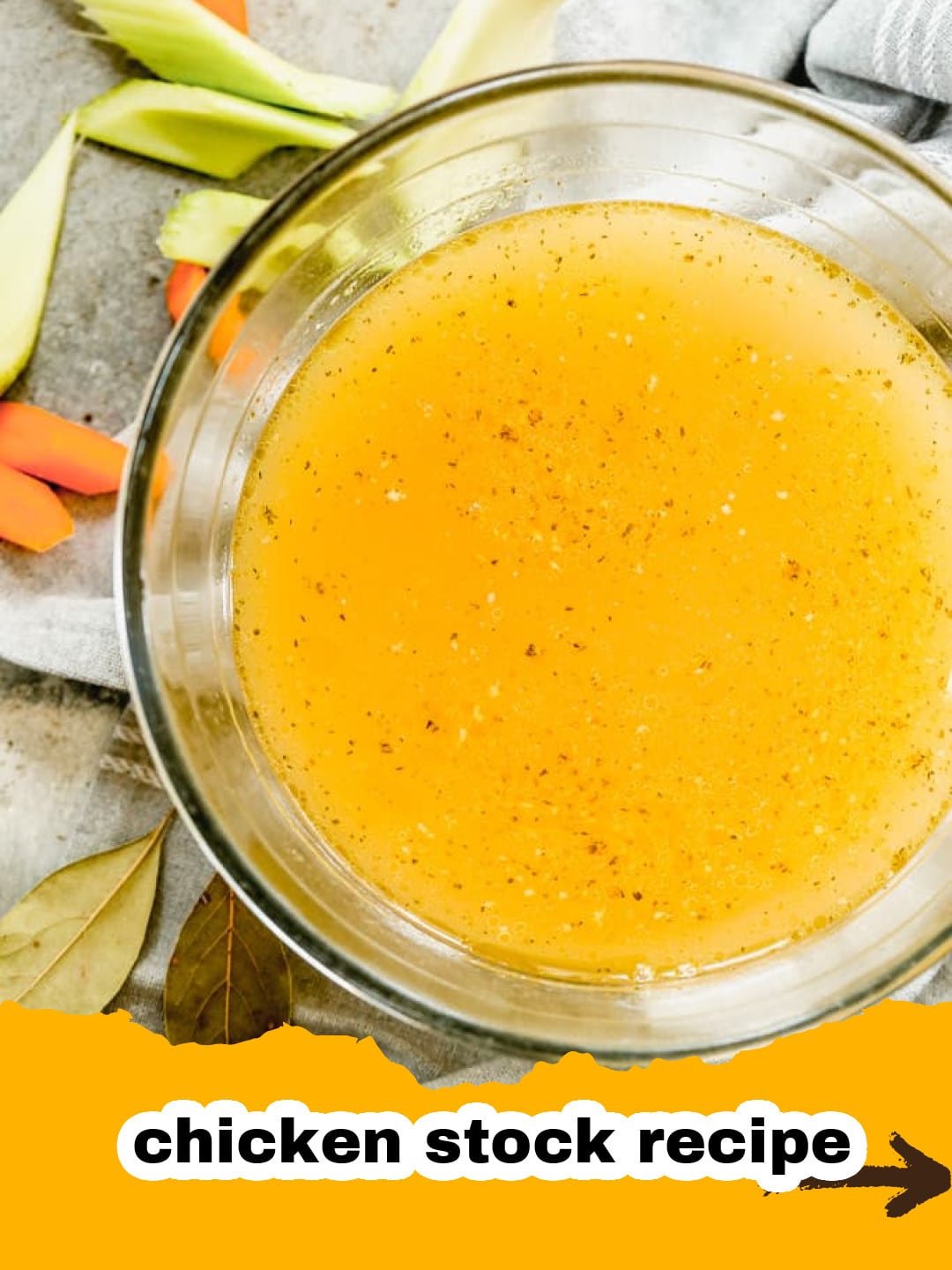
Creating a masterful Chicken Stock requires patience rather than complex techniques. Start by placing your bones in a large heavy-bottomed stockpot and covering them with cold water. Starting with cold water is a pro tip; it allows the proteins to dissolve slowly, leading to a clearer Chicken Stock. Bring the water to a very gentle simmer—never a rolling boil. If you boil the stock, the fats and impurities will emulsify into the liquid, making it cloudy and greasy. As the pot heats up, you will see gray foam rising to the surface; use a fine-mesh skimmer to remove this for a pristine finish. After about an hour of simmering, add your chopped vegetables and herbs. Simmering the vegetables for too long (over 3-4 hours) can actually make the Chicken Stock taste bitter, so adding them mid-way through the process is ideal. Once the time is up, strain the liquid through a fine-mesh sieve or cheesecloth. To store it safely, cool it quickly by placing the container in an ice bath before refrigerating. For the best organization and freshness, I recommend storing your finished Chicken Stock in Basics Glass Food Storage containers, which keep the flavor pure and are easy to stack in the fridge or freezer.
Variations & Serving Suggestions
While this Chicken Stock recipe is a classic, you can easily adapt it to suit different cuisines. For an Asian-inspired version, add a few slices of fresh ginger, smashed garlic cloves, and a handful of scallions to the pot. This creates a vibrant base for ramen or ginger-chicken congee. If you prefer a 'Brown Chicken Stock,' roast the bones and vegetables in the oven at 400°F until they are deeply caramelized before adding them to the water. This results in a much darker, intensely savory liquid that is perfect for gravies and beef-style substitutions. You can also reduce your finished Chicken Stock by half to create a 'demi-glace'—a concentrated flavor bomb that can be frozen in ice cube trays and dropped into pan sauces for an instant restaurant-quality finish. Whether you are using it to deglaze a pan or as the base for a hearty vegetable soup, this homemade Chicken Stock is the secret weapon every home cook needs in their arsenal.
Nutrition Information
| Nutrient | Amount per Serving |
|---|---|
| Calories | 50 kcal |
| Carbohydrate Content | 1 g |
| Cholesterol Content | 5 mg |
| Fat Content | 2 g |
| Fiber Content | 0 g |
| Protein Content | 6 g |
| Saturated Fat Content | 0.5 g |
| Serving Size | 1 cup (240ml) |
| Sodium Content | 150 mg |
| Sugar Content | 0 g |
| Trans Fat Content | 0 g |
| Unsaturated Fat Content | 1.5 g |
In conclusion, taking the time to prepare your own Chicken Stock is one of the most rewarding culinary investments you can make. It transforms humble ingredients into a versatile, nutrient-dense ingredient that elevates your cooking from ordinary to extraordinary. Once you experience the depth and richness of homemade Chicken Stock, you will never go back to the store-bought versions again. Happy cooking, and may your kitchen always be filled with the wonderful aroma of a simmering pot!
FAQs
What is the difference between chicken stock and chicken broth?
Chicken stock is typically made from bones and is simmered for a longer period to extract gelatin, resulting in a thicker, richer mouthfeel. Broth is usually made from meat and is thinner and more seasoned.
Why did my chicken stock turn into jelly in the fridge?
This is actually a sign of a perfect stock! It means you successfully extracted the collagen from the bones, which turns into gelatin. It will turn back into a liquid as soon as it is heated.
How long does homemade chicken stock last?
You can keep fresh chicken stock in the refrigerator for 3-4 days. For longer storage, freeze it in airtight containers for up to 6 months.
Should I roast the bones before making stock?
Roasting the bones at 400u00b0F for 30 minutes will result in a darker, more intensely flavored 'brown stock.' For a lighter, cleaner-tasting 'white stock,' use the bones raw.
Homemade Golden Chicken Stock
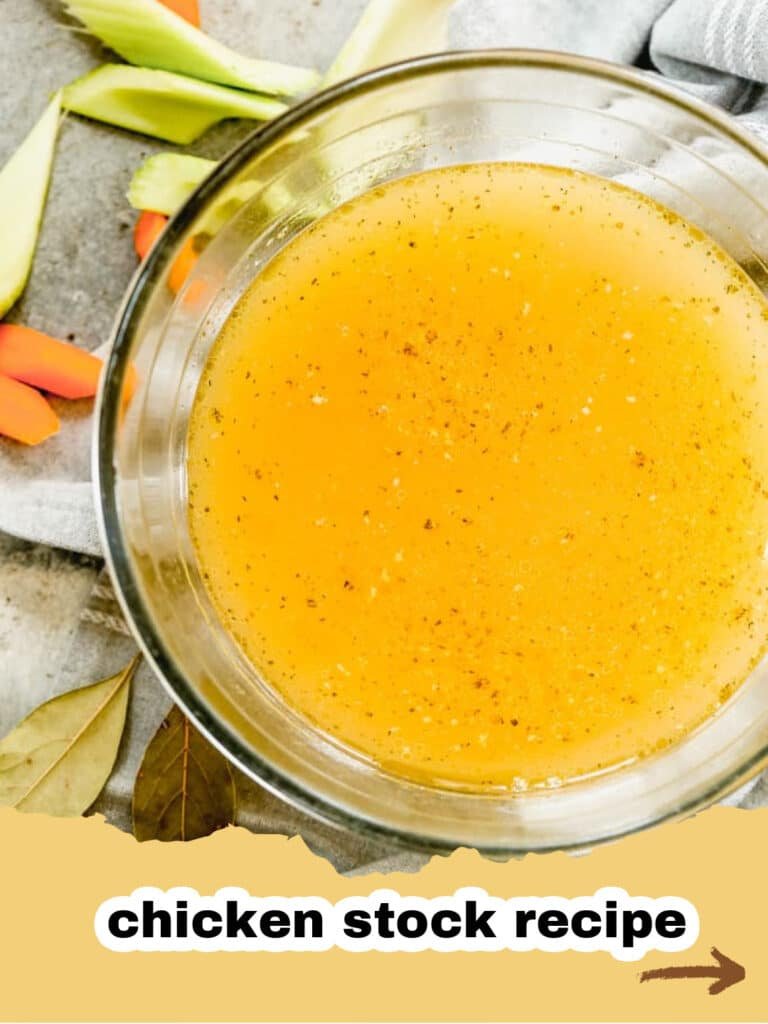
A rich, silky, and deeply flavorful homemade chicken stock made from slow-simmered bones and fresh aromatics. Perfect for all your culinary needs.
- Total Time: 4 hours 15 minutes
- Yield: 4 quarts
Ingredients
4-5 lbs Chicken carcasses, backs, necks, and wings
2 Large yellow onions, quartered (keep skins on for color)
3 Large carrots, cut into chunks
3 Stalks celery, cut into chunks
1 Head of garlic, halved crosswise
1 bunch Fresh thyme
2 Bay leaves
1 tbsp Whole black peppercorns
6 quarts Cold water
Instructions
Step 1: Place the chicken bones and carcasses into a very large stockpot (at least 12-quart capacity).
Step 2: Cover the bones with 6 quarts of cold filtered water, ensuring there is at least 2 inches of liquid above the bones.
Step 3: Place the pot over medium-high heat and bring it just to a simmer. Once it starts bubbling gently, reduce the heat to low.
Step 4: Use a wide spoon or a skimmer to remove the gray foam (impurities) that rises to the top during the first 30 minutes.
Step 5: Add the onions, carrots, celery, garlic, thyme, bay leaves, and peppercorns to the pot.
Step 6: Maintain a very low simmer (the surface should barely move) for at least 4 hours. Do not cover the pot completely; leave the lid slightly ajar.
Step 7: Carefully strain the stock through a fine-mesh sieve into a large heat-proof bowl or second pot, discarding the solids.
Step 8: Cool the stock quickly in an ice bath, then transfer to storage containers and refrigerate or freeze.
Notes
For a clearer stock, never let it reach a full boil. If the water level drops too low, add a little more hot water to keep the bones covered.
- Prep Time: 15 minutes
- Cook Time: 4 hours
- Category: Drinks, Holiday & DIY
- Cuisine: American
Nutrition
- Serving Size: 1 cup
- Calories: 50 kcal
- Sugar: 0 g
- Sodium: 150 mg
- Fat: 2 g
- Saturated Fat: 0.5 g
- Unsaturated Fat: 1.5 g
- Trans Fat: 0 g
- Carbohydrates: 1 g
- Fiber: 0 g
- Protein: 6 g
- Cholesterol: 5 mg






Leave a Reply