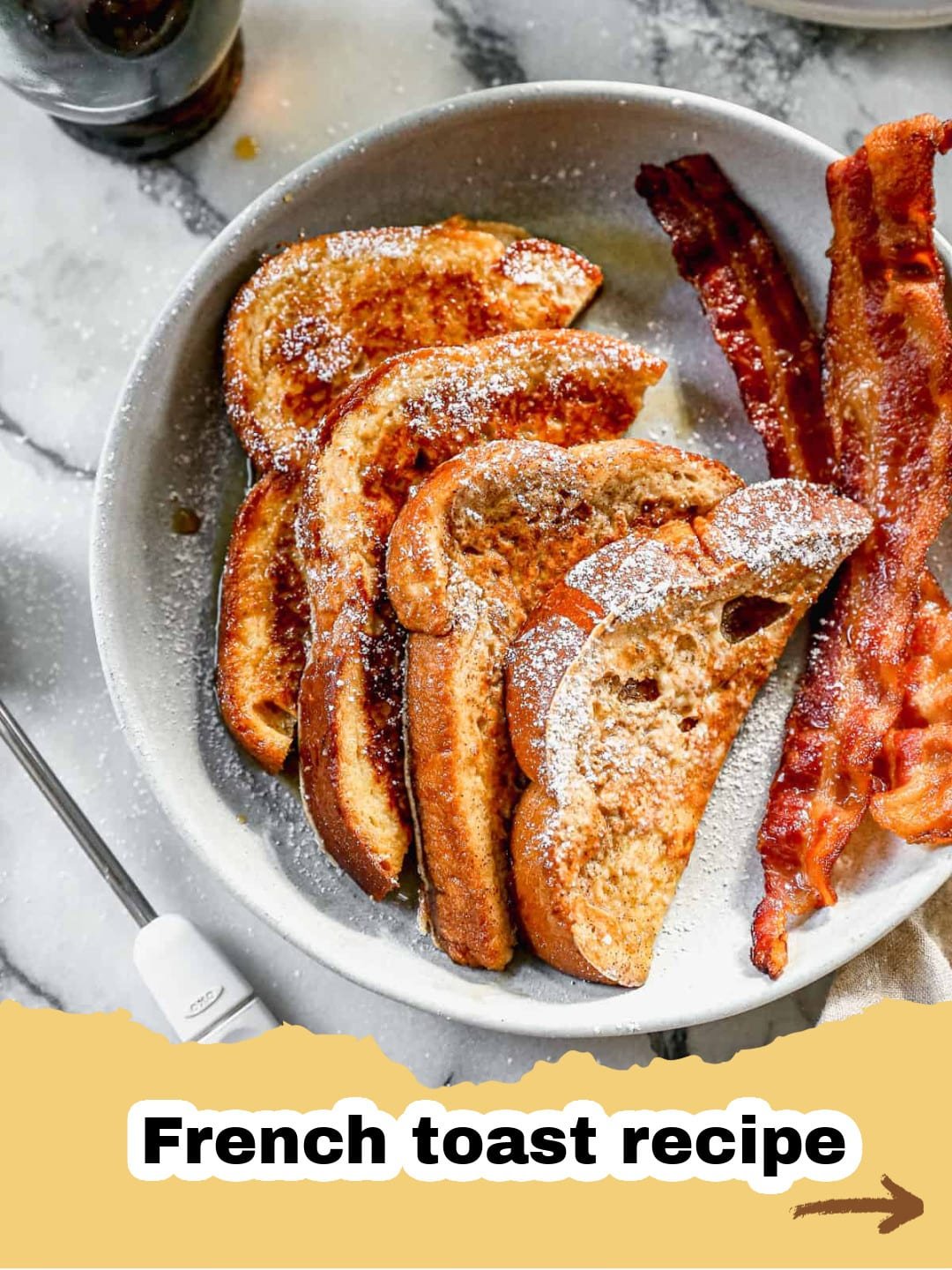
There’s a smell that instantly transports me back to my grandmother’s kitchen on a lazy Sunday morning: the sweet, comforting aroma of cinnamon and vanilla, mingling with the rich scent of butter sizzling on a griddle. It was the smell of French Toast. My grandmother, bless her heart, had a way of turning simple ingredients into pure magic, and her French Toast was no exception. It wasn’t just breakfast; it was an event, a ritual that anchored our family. We’d gather around her worn wooden table, the air thick with anticipation, as she’d pull slice after golden slice from the pan, each one a promise of warmth and happiness. This recipe for French Toast isn't just about recreating those flavors; it's about rekindling that feeling, that sense of home and togetherness. I’ve refined her classic method over the years, adding a few tricks of my own to ensure every piece of French Toast is perfectly golden, custardy on the inside, and irresistibly delicious.
Why This French Toast Recipe is a Must-Try
- Perfectly Crispy Edges & Custardy Interior: My secret technique ensures a beautiful golden-brown exterior with a melt-in-your-mouth soft center. This isn't just any French Toast; it's an experience.
- Amazingly Versatile: Whether you like it sweet with berries or savory with bacon, this French Toast recipe is a fantastic base for endless variations.
- Quick & Satisfying: From prep to plate, you can have this delightful breakfast on the table in under 30 minutes, making it perfect for busy mornings or indulgent brunches.
- Simple Pantry Staples: You likely have all the ingredients on hand right now, proving that the best things in life (like this French Toast) don't need to be complicated.
Key Ingredient Notes for Perfect French Toast
While the beauty of French Toast lies in its simplicity, a few key ingredients truly elevate it from good to absolutely unforgettable.
The Bread
The foundation of great French Toast is undoubtedly the bread. You want something sturdy enough to hold up to the custard but absorbent enough to soak it all in. My top recommendations are:
- Brioche: Rich, buttery, and slightly sweet, brioche makes for an incredibly decadent French Toast. It’s my go-to for special occasions.
- Challah: Similar to brioche but often a bit denser, challah also provides a wonderful texture and flavor that complements the custard beautifully.
- Day-Old French Bread or Sourdough: If you prefer a less sweet French Toast or want to use up some slightly stale bread, these are fantastic options. The slight dryness helps them soak up the custard without becoming soggy. Avoid fresh, soft sandwich bread as it tends to fall apart.
The Custard Base: Eggs & Milk/Cream
The magic happens when the bread meets the creamy, flavorful custard. The ratio of eggs to dairy is crucial. I use whole milk or a mix of whole milk and half-and-half for richness. The fat content helps create that luxurious texture. Don't skimp on the eggs; they bind everything together and create that beautiful golden hue when cooked. A splash of heavy cream can make your French Toast extra indulgent.
Flavorings: Vanilla & Cinnamon
These two are non-negotiable for classic French Toast. High-quality vanilla extract adds warmth and depth, while cinnamon provides that iconic comforting spice. A pinch of nutmeg can also be a wonderful addition, enhancing the overall aromatic profile of your French Toast.
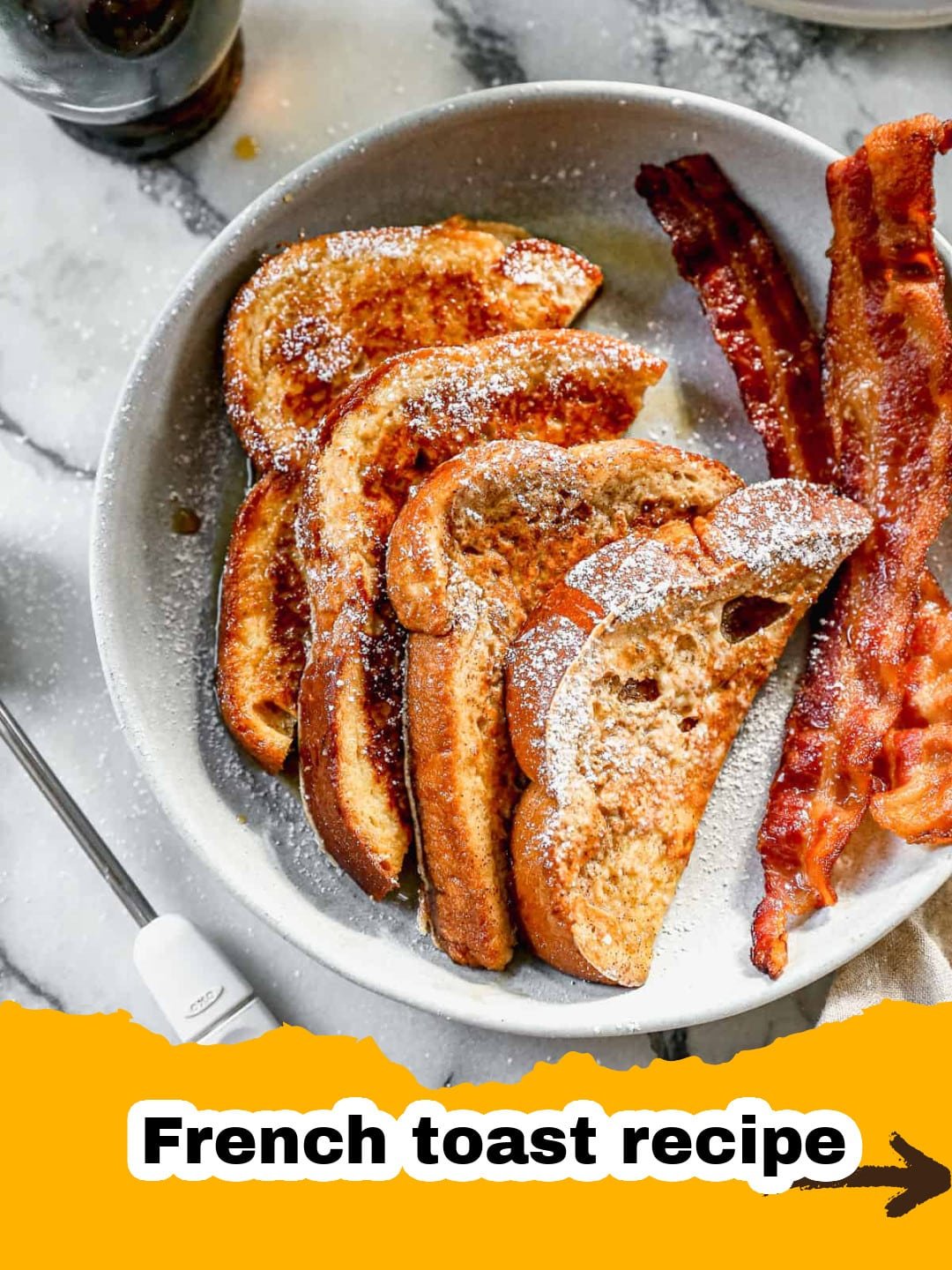
Step-by-Step Guide with Pro Tips for Fluffy French Toast
Making the perfect French Toast is all about technique. Follow these steps for golden, custardy perfection every time.
Prepping Your Workspace
Before you even crack an egg, get your griddle or favorite skillet ready. Preheat it over medium heat. A non-stick surface is ideal, but a well-seasoned cast iron pan works wonders too. Have your butter or oil, a spatula, and a plate ready for the cooked French Toast.
- Step 1: Prepare the Custard. In a shallow dish or pie plate, whisk together the eggs, milk (or half-and-half), vanilla extract, cinnamon, a pinch of salt, and a touch of sugar (optional, but I highly recommend it for balance). Whisk until everything is well combined and slightly frothy, ensuring there are no streaks of egg white.
- Step 2: Slice the Bread. Cut your chosen bread into slices about 3/4 to 1 inch thick. Thicker slices are less likely to fall apart and provide a better surface area for soaking up the custard.
- Step 3: Soak the Bread. This is where many go wrong with French Toast. Submerge each slice of bread into the custard, letting it soak for about 15-30 seconds per side, depending on the bread's thickness and staleness. You want it fully saturated but not mushy. If the bread is very fresh and soft, soak for less time. If it's day-old and firm, give it a bit longer. Don't let it sit too long, or you'll end up with soggy French Toast.
- Step 4: Cook the French Toast. Melt a pat of butter (or a combination of butter and a neutral oil) on your preheated griddle or skillet. Once the butter is foamy, carefully place the soaked bread slices onto the hot surface, ensuring not to overcrowd the pan. Cook for 2-4 minutes per side, or until golden brown and cooked through. The internal temperature should be around 160°F (71°C) if you’re unsure, but visually golden-brown is usually sufficient.
- Step 5: Keep Warm (Optional). As you cook subsequent batches of French Toast, you can keep the cooked slices warm in a single layer on a baking sheet in a preheated oven at 200°F (93°C). This ensures everyone gets a hot, fresh piece of French Toast. Any leftover French Toast batter or cooked slices can be stored in Basics Glass Food Storage containers in the fridge.
Variations & Serving Suggestions for French Toast
Once you've mastered the classic, the world of French Toast opens up with endless possibilities! Here are some of my favorite ways to customize and serve this breakfast delight.
Sweet French Toast Variations
- Berry Blast French Toast: Top with a generous handful of fresh mixed berries (strawberries, blueberries, raspberries) and a dollop of whipped cream.
- Chocolate Chip French Toast: Sprinkle mini chocolate chips onto the bread as it cooks on the first side.
- Bananas Foster French Toast: Sauté banana slices in butter, brown sugar, and a splash of rum (optional) until caramelized, then spoon over your French Toast.
- Pumpkin Spice French Toast: Add 1-2 teaspoons of pumpkin pie spice to your custard mixture for a fall-inspired treat.
- Lemon Ricotta French Toast: Mix a little lemon zest into your custard and serve the French Toast with a dollop of sweetened ricotta cheese.
Savory French Toast Ideas
- Monte Cristo Style: Layer ham and cheese between two slices of French Toast, then griddle until the cheese is melted. A light dusting of powdered sugar and a side of jam complete this classic.
- Avocado & Egg French Toast: Top your French Toast with sliced avocado, a fried egg, and a sprinkle of everything bagel seasoning for a unique brunch.
Ultimate Toppings for French Toast
No French Toast is complete without its perfect companions:
- Warm maple syrup (always!)
- Powdered sugar
- Fresh fruit and berries
- Whipped cream or Greek yogurt
- A sprinkle of chopped nuts (pecans, walnuts)
- Caramel sauce or chocolate syrup
- Fruit compotes or jams
Nutrition Information
| Nutrition Facts (per serving) | |
| Calories | 350 |
| Carbohydrates | 45g |
| Cholesterol | 180mg |
| Fat | 15g |
| Fiber | 2g |
| Protein | 12g |
| Saturated Fat | 8g |
| Serving Size | 2 slices |
| Sodium | 400mg |
| Sugar | 15g |
| Trans Fat | 0.5g |
| Unsaturated Fat | 6g |
Conclusion
There's something truly magical about a plate of perfectly made French Toast. It's more than just a meal; it's a hug on a plate, a nostalgic journey, and a simple pleasure that brings smiles to faces. Whether you're making it for a special brunch or a quick weekday treat, this French Toast recipe promises delicious results that will make you feel like a breakfast pro. So go ahead, whisk up that custard, soak that bread, and create some delicious memories around your own table. And if you're looking for another comforting classic that evokes warmth and home, you might want to try My Grandma's Secret for the Best Easy Apple Pie.
FAQs
What type of bread is best for French Toast?
For the best French Toast, use a sturdy, slightly stale bread like brioche, challah, or day-old French bread. These types of bread absorb the custard beautifully without falling apart and provide a rich, satisfying texture.
How do I prevent my French Toast from being soggy?
To avoid soggy French Toast, ensure your bread is thick-cut (3/4 to 1 inch) and slightly stale. Don't over-soak the bread; 15-30 seconds per side is usually sufficient. Also, make sure your griddle or skillet is heated to medium and hot enough to cook the exterior quickly, sealing in the custard.
Can I prepare French Toast ahead of time?
You can prepare the custard mixture a day ahead and store it in the refrigerator. For cooked French Toast, you can keep it warm in a low oven or freeze cooled slices on a baking sheet before transferring them to a freezer bag. Reheat frozen French Toast in a toaster, oven, or microwave.
What are some popular toppings for French Toast?
Classic toppings include warm maple syrup, powdered sugar, and fresh berries. Other popular choices are whipped cream, fruit compotes, sliced bananas, chocolate chips, and a sprinkle of chopped nuts for added crunch.
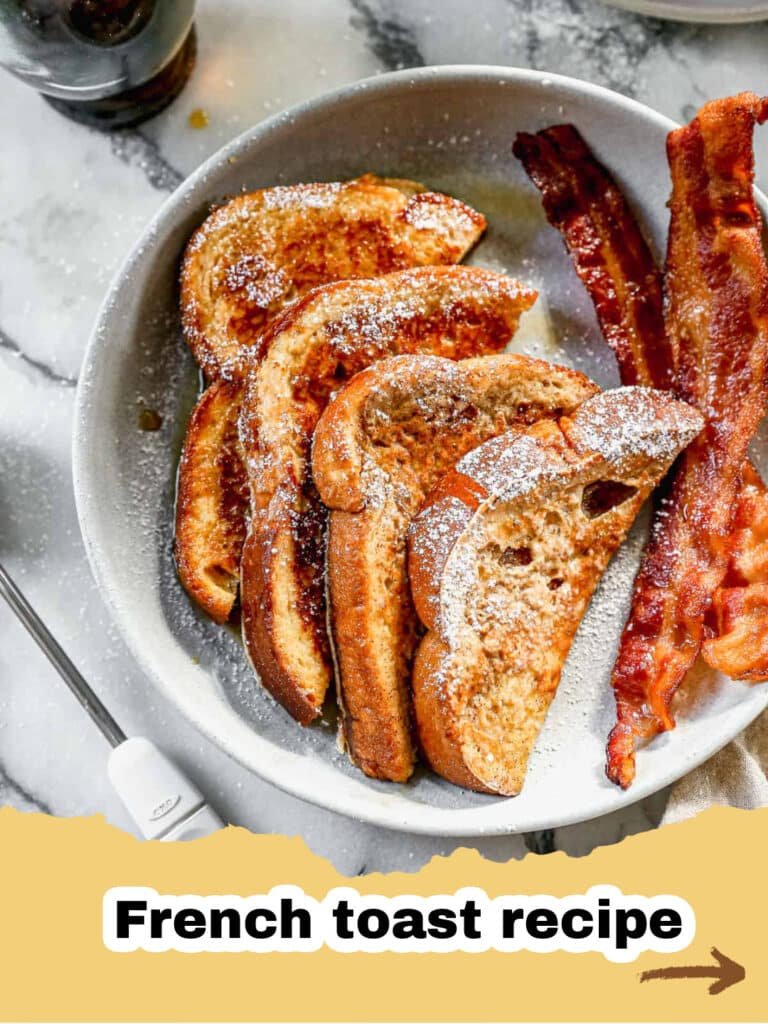
Classic French Toast with a Secret Ingredient
This is the ultimate French Toast recipe, perfected over years, offering a perfectly crispy exterior and a custardy, flavorful interior every time. It's a simple yet indulgent breakfast that brings comfort and joy.
- Total Time: 25 minutes
- Yield: 4 servings (8 slices)
Ingredients
4 large eggs
1 cup whole milk (or half-and-half for extra richness)
2 tablespoons granulated sugar (optional, but recommended)
1 teaspoon vanilla extract
1/2 teaspoon ground cinnamon
Pinch of salt
8 slices of sturdy bread (brioche, challah, or day-old French bread), about 3/4 to 1 inch thick
2 tablespoons unsalted butter, for cooking
Maple syrup, fresh berries, powdered sugar for serving
Instructions
Step 1: In a shallow dish or pie plate, whisk together the eggs, milk, granulated sugar (if using), vanilla extract, cinnamon, and salt until well combined and slightly frothy. Ensure there are no streaks of egg white remaining.
Step 2: Heat a large griddle or non-stick skillet over medium heat. Add 1 tablespoon of butter and let it melt and coat the pan.
Step 3: Dip each slice of bread into the egg mixture, ensuring both sides are fully coated. Let each side soak for about 15-30 seconds, depending on the bread's thickness and density, until saturated but not mushy.
Step 4: Carefully place the soaked bread slices onto the hot griddle or skillet, ensuring not to overcrowd the pan. Cook for 2-4 minutes per side, or until golden brown and cooked through.
Step 5: Remove the cooked French Toast from the griddle and place it on a serving plate. Repeat with the remaining bread, adding more butter to the pan as needed.
Step 6: Serve immediately with your favorite toppings such as warm maple syrup, fresh berries, and a dusting of powdered sugar.
Notes
For best results, use day-old bread as it absorbs the custard better without becoming soggy. You can also add a splash of orange juice or orange zest to the custard for a brighter flavor. Don't be afraid to experiment with toppings!
- Prep Time: 10 minutes
- Cook Time: 15 minutes
- Category: Breakfast
- Cuisine: American
Nutrition
- Serving Size: 2 slices
- Calories: 350kcal
- Sugar: 15g
- Sodium: 400mg
- Fat: 15g
- Saturated Fat: 8g
- Unsaturated Fat: 6g
- Trans Fat: 0.5g
- Carbohydrates: 45g
- Fiber: 2g
- Protein: 12g
- Cholesterol: 180mg





Leave a Reply