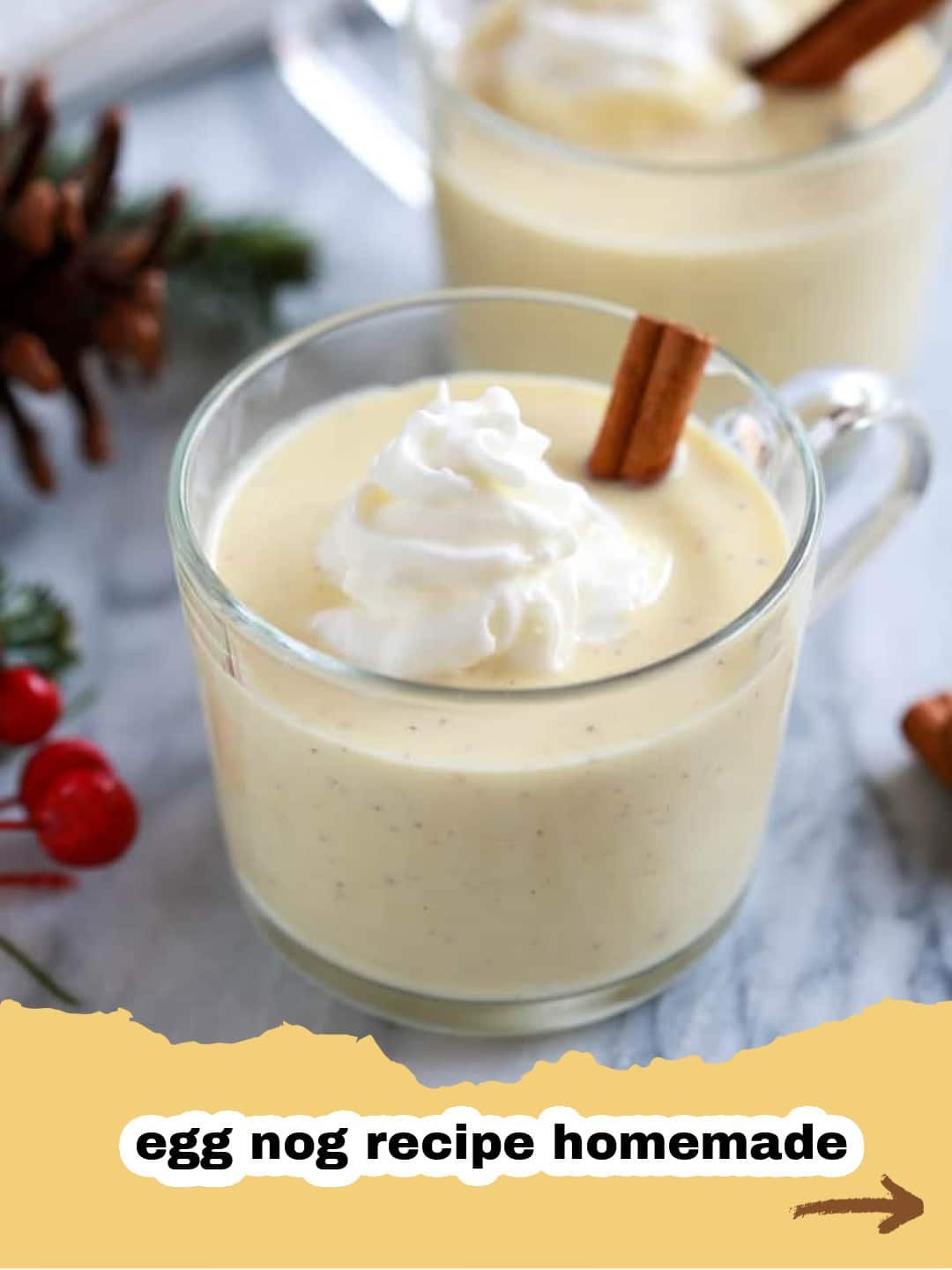
The scent of freshly grated nutmeg, the gentle hum of holiday music, and the warmth of family laughter – these are the hallmarks of my cherished holiday memories. And at the heart of so many of these moments is a glass of creamy, perfectly spiced Homemade Eggnog. For years, I relied on store-bought versions, convincing myself that the rich, velvety texture and complex flavor of true eggnog were beyond the reach of a home kitchen. Oh, how wrong I was! I remember one particularly dreary December afternoon, determined to conquer this festive beverage. My grandmother, a true culinary legend in her own right, had always sworn by her secret family recipe. Armed with her handwritten notes and a sense of adventurous curiosity, I embarked on a journey that would forever change my holiday traditions. The result? A revelation! That first sip of homemade eggnog was like a warm, comforting hug, far superior to anything I’d ever bought. From that day forward, making my own homemade eggnog became a cherished annual ritual, a delicious testament to the joy of crafting something special from scratch. It’s a simple pleasure that elevates any festive gathering.
Why This Homemade Eggnog Recipe is a Must-Try
Unparalleled Freshness and Flavor
Unlike store-bought varieties that often taste artificial or overly sweet, making homemade eggnog allows you to control every ingredient, resulting in a flavor profile that is incredibly rich, nuanced, and genuinely fresh. You'll taste the vibrant vanilla, the warmth of the nutmeg, and the pure dairy goodness in every sip.
Customizable to Your Liking
Are you a fan of a richer, thicker consistency? Or do you prefer a lighter touch? With this homemade eggnog recipe, you have the power to adjust the sweetness, the spice levels, and even the dairy ratio to perfectly suit your palate. Want to add a splash of your favorite bourbon or rum? Go right ahead! This flexibility is a huge advantage over pre-made options.
Impress Your Guests with Homemade Eggnog
Serving a pitcher of truly homemade eggnog is a fantastic way to elevate your holiday entertaining. It's a thoughtful touch that shows you've gone the extra mile, and your guests will undoubtedly appreciate the effort and the exquisite taste of this classic festive drink. It’s a guaranteed conversation starter and a memorable offering.
A True Taste of Tradition
There's something deeply satisfying about continuing culinary traditions. Making your own homemade eggnog connects you to generations of home cooks who have perfected this beloved holiday staple. It's more than just a drink; it's an experience, a memory in the making, and a delicious way to embrace the spirit of the season.
Key Ingredient Notes for Perfect Homemade Eggnog
The magic of homemade eggnog lies in the quality and freshness of its core ingredients. Don't skimp here; each component plays a vital role in achieving that creamy, luscious texture and irresistible flavor. Investing in good ingredients will make all the difference in your ultimate homemade eggnog.
Fresh Eggs
This is arguably the most crucial ingredient. Always opt for the freshest, highest-quality large eggs you can find. Since we'll be gently cooking the egg yolks (a process known as tempering), ensuring fresh eggs is important for both safety and flavor. The yolks provide the beautiful golden color and contribute significantly to the richness and body of your homemade eggnog, making it truly decadent.
High-Quality Dairy
A combination of whole milk and heavy cream is absolutely essential for that signature luxurious texture. Whole milk provides a good base, while heavy cream adds an incredible richness and velvety mouthfeel that makes homemade eggnog truly special. Avoid using low-fat alternatives, as they won't yield the same indulgent results. If you want to make it extra creamy, you can even use a higher ratio of cream to milk. Remember, this is a holiday treat and deserves the best dairy!
Aromatic Spices and Extracts
Freshly grated nutmeg is non-negotiable for authentic homemade eggnog. Pre-ground nutmeg loses its potency quickly, and the difference a whole nutmeg makes, grated fresh over each glass, is profound and adds an amazing aroma. Pure vanilla extract enhances the overall sweetness and aroma, providing a warm, comforting background note. A tiny pinch of salt also helps to balance the sweetness and bring out the other flavors, making your homemade eggnog sing.
Step-by-Step Guide with Pro Tips for Homemade Eggnog
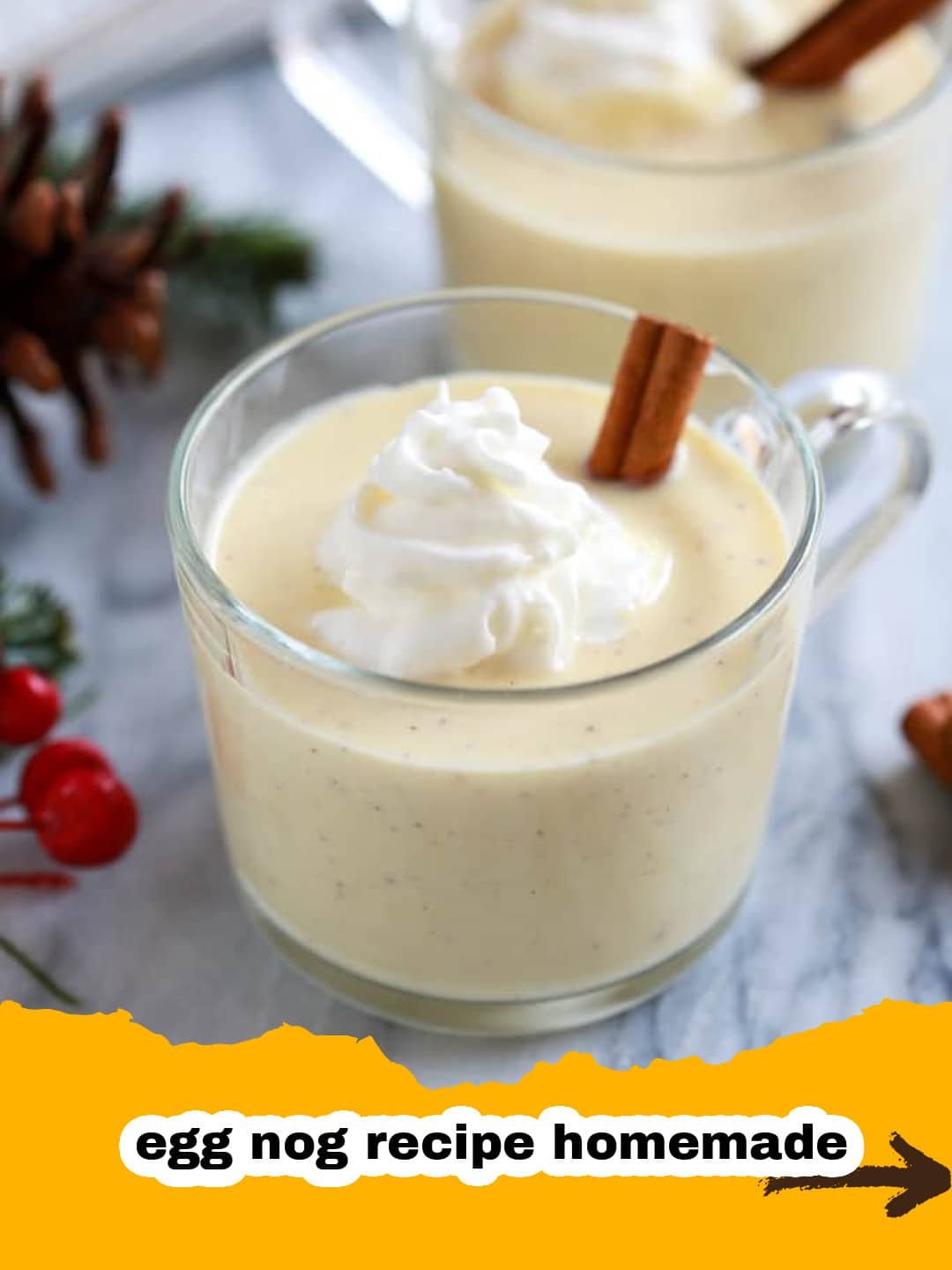
Making homemade eggnog from scratch might sound intimidating, but with this step-by-step guide and a few pro tips, you'll be a master in no time. This method involves tempering the eggs, which ensures a safe and silky-smooth beverage without any raw egg concerns. Get ready to create the best homemade eggnog of your life!
- Step 1: In a large heatproof bowl, whisk together the egg yolks and granulated sugar until the mixture is pale yellow and thick. This process incorporates air and starts to break down the sugar, ensuring a smooth, flavorful custard base for your homemade eggnog.
- Step 2: In a medium saucepan, combine the whole milk, heavy cream, and a pinch of salt. Heat over medium-low heat, stirring occasionally, until the mixture is hot and just barely simmering around the edges. Do not let it boil vigorously, as this can scorch the dairy. A gentle steam rising from the surface is a good indicator.
- Step 3: Slowly, and while continuously whisking, ladle about half a cup of the hot milk mixture into the egg yolk mixture. Continue to whisk constantly. This is the tempering process – it gradually raises the temperature of the egg yolks, preventing them from scrambling when added to the rest of the hot liquid. Repeat this step once or twice more, adding small amounts of hot milk to the eggs, ensuring they are well-incorporated and the mixture is warm.
- Step 4: Once the egg mixture is tempered, slowly pour it back into the saucepan with the remaining hot milk mixture, whisking constantly. Continue to cook over medium-low heat, stirring frequently with a wooden spoon or spatula, until the eggnog thickens enough to coat the back of the spoon. This usually takes about 5-7 minutes. Do not boil, or the eggs may curdle. The ideal temperature for safely cooked eggnog is around 160°F (71°C). If you have a thermometer, this is a great time to use it to ensure food safety and the perfect consistency.
- Step 5: Remove the saucepan from the heat immediately. Stir in the pure vanilla extract. Pour the homemade eggnog through a fine-mesh sieve into a clean bowl or pitcher. This step ensures an incredibly smooth and lump-free texture, catching any tiny bits of cooked egg or spices that might have formed, giving you the velvety mouthfeel you desire.
- Step 6: Cover the eggnog and refrigerate for at least 3 hours, or preferably overnight, to allow the flavors to meld and the mixture to thoroughly chill and thicken. The chilling process is crucial for the best flavor and consistency of your homemade eggnog, allowing the spices to truly infuse.
- Step 7: Before serving, give the homemade eggnog a good whisk to ensure it's perfectly smooth. If adding alcohol (bourbon, rum, or brandy), stir it in now to your desired strength. Pour into glasses and garnish with a generous dusting of freshly grated nutmeg and a cinnamon stick. For easy storage, consider using reliable Basics Glass Food Storage containers, which are perfect for keeping your eggnog fresh in the fridge for up to 3-4 days. Enjoy your delicious homemade eggnog!
Variations & Serving Suggestions for Your Homemade Eggnog
The beauty of homemade eggnog is its versatility. While the classic recipe is divine on its own, there are many ways to customize it and make it your own holiday signature drink. Don't be afraid to experiment!
Alcoholic Additions
For those who enjoy a spirited kick, traditional homemade eggnog often includes a touch of alcohol. Bourbon, rum (especially dark or spiced rum), or brandy are classic choices that pair wonderfully with the creamy base and spices. Add about 1 to 2 cups of your chosen spirit per batch after the eggnog has chilled. Start with a smaller amount and add more to taste. The alcohol not only adds flavor but also acts as a preservative, though it’s still best consumed within a few days. For a tropical twist, you might even consider a splash of coconut rum, or explore other festive holiday drinks like The Ultimate Guide to Authentic Puerto Rican Coquito, which is a coconut-based alternative and a fantastic addition to any holiday table.
Non-Alcoholic Fun
Homemade eggnog is just as delicious without alcohol, making it perfect for all ages and family-friendly gatherings. For an extra layer of flavor in the non-alcoholic version, you can enhance it with a splash of almond extract, a touch more vanilla, or a dash of maple syrup for a richer sweetness. A sprinkle of cinnamon or a drizzle of caramel syrup in the glass can also add delightful complexity and visual appeal, ensuring everyone can enjoy this festive homemade eggnog.
Serving Suggestions
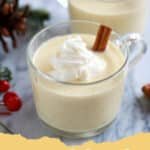
Serve your homemade eggnog well-chilled in festive glasses – think mugs, tumblers, or even elegant stemmed glasses. Garnish with a generous dusting of freshly grated nutmeg and a cinnamon stick for both aroma and presentation. You can also add a dollop of The Ultimate Guide to Perfect Homemade Whipped Cream for an extra indulgent touch that takes your homemade eggnog over the top. For a more dessert-like experience, serve it alongside gingerbread cookies, shortbread, or a slice of your favorite holiday cake. It also makes a wonderful base for holiday cocktails; imagine an eggnog latte or an eggnog martini, truly making your homemade eggnog the star of the show!
Nutrition Information
Here’s a general estimate of the nutrition information per serving for our homemade eggnog recipe. Please note that these values can vary based on specific ingredients, portion sizes, and whether alcohol is added. This information is provided for general guidance to help you understand the components of your delicious homemade eggnog.
| Nutrient | Amount Per Serving |
|---|---|
| Calories | 350 kcal |
| Carbohydrate Content | 25g |
| Cholesterol Content | 200mg |
| Fat Content | 25g |
| Fiber Content | 0g |
| Protein Content | 8g |
| Saturated Fat Content | 15g |
| Serving Size | 1 cup (240ml) |
| Sodium Content | 100mg |
| Sugar Content | 22g |
| Trans Fat Content | 0.5g |
| Unsaturated Fat Content | 8g |
Conclusion
There you have it – the ultimate guide to crafting your very own batch of creamy, dreamy homemade eggnog. This festive beverage is more than just a drink; it's a symbol of warmth, tradition, and the joyful spirit of the holidays. Moving beyond store-bought versions to this homemade eggnog recipe will elevate your celebrations and create lasting memories for you and your loved ones. The effort is minimal compared to the incredible reward of a genuinely fresh, customizable, and utterly delicious homemade eggnog. So, gather your ingredients, put on some holiday tunes, and get ready to stir up some magic. This year, let the rich taste of your homemade eggnog be the star of your holiday table. Happy holidays, and happy sipping!
FAQs
Is homemade eggnog safe to drink with raw eggs?
This homemade eggnog recipe uses a tempering method, where egg yolks are slowly heated with hot milk and cream to an internal temperature of 160u00b0F (71u00b0C). This safely cooks the eggs, eliminating the risk associated with raw egg consumption while maintaining a smooth, creamy texture.
How long does homemade eggnog last in the refrigerator?
When properly prepared (tempered and cooked to 160u00b0F), homemade eggnog can be safely stored in an airtight container in the refrigerator for up to 3-4 days. If alcohol is added, it can extend the shelf life slightly due to its preservative qualities.
Can I make homemade eggnog without alcohol?
Absolutely! This recipe is delicious as a non-alcoholic beverage, suitable for all ages. Simply omit the optional bourbon, rum, or brandy. You can enhance the flavor with extra vanilla extract, a touch of almond extract, or a bit more spice to compensate.
What is the best way to thicken homemade eggnog?
The natural thickening agents in homemade eggnog are the egg yolks and heavy cream, which become richer when cooked and then chilled. Ensure you cook the eggnog mixture until it coats the back of a spoon (reaching 160u00b0F) and then refrigerate it for at least 3 hours (or overnight) to allow it to thicken properly. Do not try to boil it, as this can curdle the eggs.
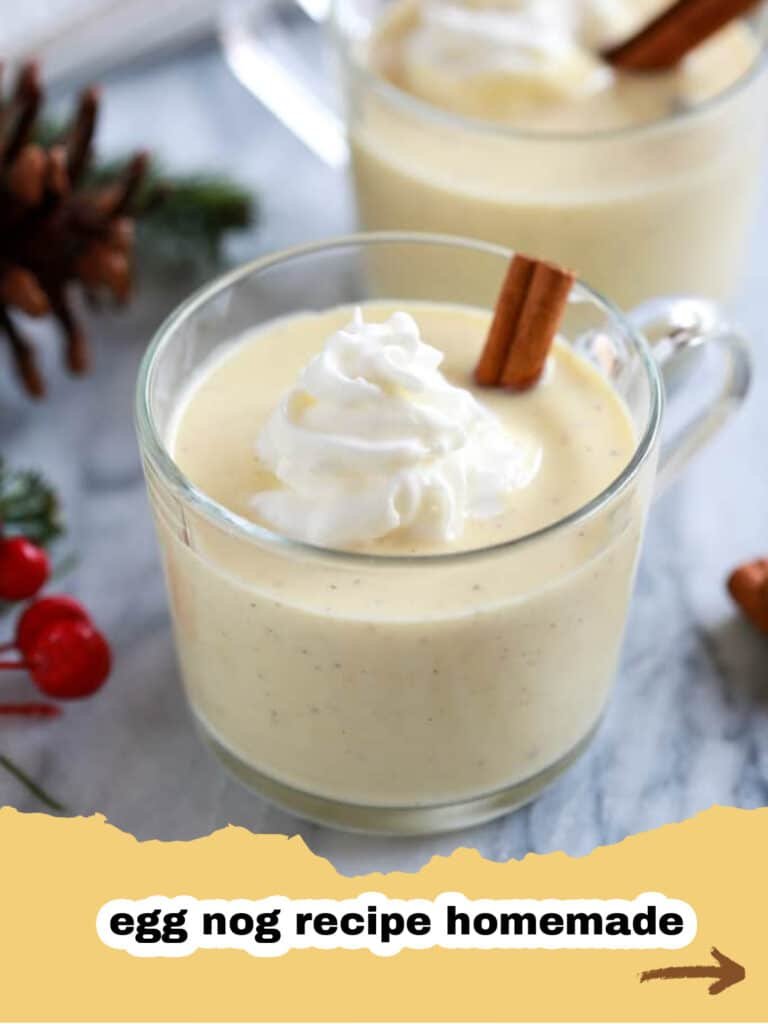
Classic Creamy Homemade Eggnog
A rich, velvety, and delightfully spiced homemade eggnog recipe perfect for holiday gatherings, made with fresh eggs, cream, milk, sugar, and warming spices. This traditional beverage is a must-try for its unparalleled freshness and customizable flavor.
- Total Time: 3 hours 35 minutes
- Yield: 8 cups (6-8 servings)
Ingredients
6 large egg yolks
¾ cup granulated sugar, plus more to taste
2 cups whole milk
2 cups heavy cream
¼ teaspoon salt
1 teaspoon pure vanilla extract
Freshly grated nutmeg, for garnish
Cinnamon sticks, for garnish (optional)
1-2 cups bourbon, rum, or brandy (optional, for alcoholic version)
Instructions
Step 1: In a large heatproof bowl, whisk together the egg yolks and granulated sugar until the mixture is pale yellow and thick. Set aside.
Step 2: In a medium saucepan, combine the whole milk, heavy cream, and salt. Heat over medium-low heat, stirring occasionally, until the mixture is hot and just barely simmering around the edges. Do not let it come to a rolling boil.
Step 3: Slowly, while continuously whisking, ladle about half a cup of the hot milk mixture into the egg yolk mixture. Continue to whisk constantly. Gradually add another half cup, then another, until the egg mixture is warmed (tempered). This prevents the eggs from scrambling.
Step 4: Once tempered, slowly pour the warmed egg mixture back into the saucepan with the remaining hot milk, whisking constantly. Continue to cook over medium-low heat, stirring frequently with a wooden spoon or spatula, until the eggnog thickens enough to coat the back of the spoon (reaching approximately 160°F or 71°C). Do not boil.
Step 5: Remove the saucepan from the heat immediately. Stir in the pure vanilla extract. For an extra smooth consistency, pour the homemade eggnog through a fine-mesh sieve into a clean bowl or pitcher.
Step 6: Cover the eggnog and refrigerate for at least 3 hours, or preferably overnight, to allow the flavors to meld and the mixture to thoroughly chill and thicken.
Step 7: Before serving, give the homemade eggnog a good whisk. If adding alcohol, stir it in now. Pour into festive glasses and garnish with freshly grated nutmeg and a cinnamon stick. Enjoy your rich and creamy homemade eggnog!
Notes
Always use fresh, high-quality eggs for the best results. Tempering the egg yolks with hot milk is crucial for safety and a smooth consistency. The eggnog thickens significantly as it chills, so allow ample refrigeration time. For an alcoholic version, add bourbon, rum, or brandy after the eggnog has chilled.
- Prep Time: 20 minutes
- Cook Time: 15 minutes
- Category: Beverage, Holiday
- Cuisine: American
Nutrition
- Serving Size: 1 cup (240ml)
- Calories: 350 kcal
- Sugar: 22g
- Sodium: 100mg
- Fat: 25g
- Saturated Fat: 15g
- Unsaturated Fat: 8g
- Trans Fat: 0.5g
- Carbohydrates: 25g
- Fiber: 0g
- Protein: 8g
- Cholesterol: 200mg


Leave a Reply