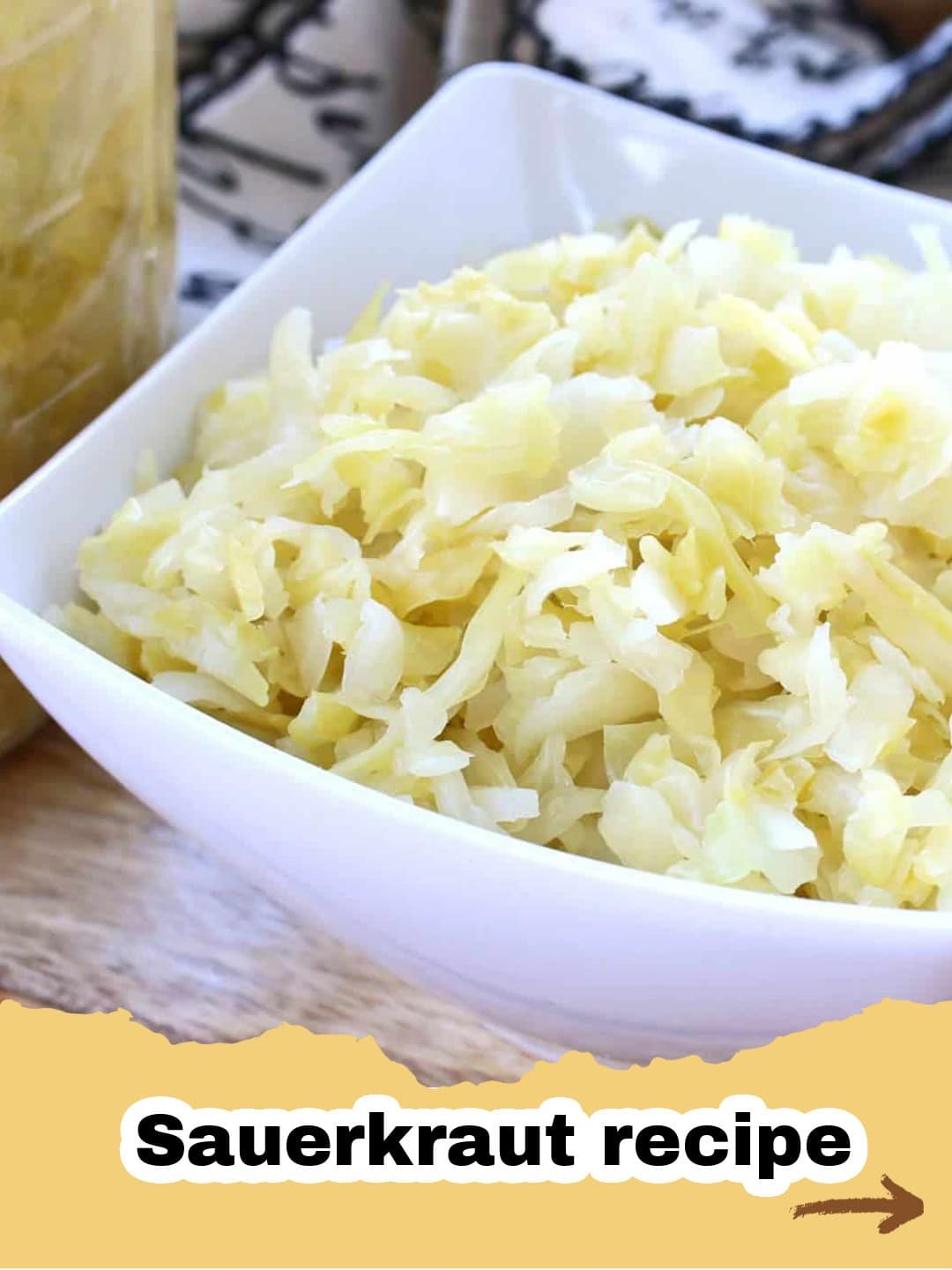
Learning how to make sauerkraut at home was a pivotal moment in my culinary journey. I remember my grandmother, with her hands calloused from years of working in the garden, always had a crock of something bubbling away in the corner of her pantry. The earthy, tangy smell was as much a part of her home as the warm glow from the wood-burning stove. For years, I was intimidated by the idea of fermentation, convinced it was some ancient magic only she possessed. But one crisp autumn afternoon, she finally decided it was time to pass on her secrets. We started with a humble head of cabbage, a simple ceramic crock, and a lot of patience. What emerged weeks later wasn't just fermented cabbage; it was a connection to tradition, a burst of incredible flavor, and a newfound confidence in my kitchen skills. This experience transformed my view of food preservation and ignited a passion for bringing these age-old techniques back to life in my own kitchen. Now, I want to share this simple, incredibly rewarding process with you. You'll discover that knowing how to make sauerkraut is not only easy but also incredibly beneficial.
My earliest memories of sauerkraut aren't from fancy delis, but from my grandmother's kitchen, where it always made an appearance alongside roasted pork on chilly evenings. The way she talked about it, with such reverence for the simple cabbage and salt transforming into something so complex and delicious, sparked my curiosity. When I finally decided to try my hand at it, I expected a complicated affair, but it was surprisingly straightforward. The magic, I learned, happens mostly on its own. It's truly a labor of love that rewards you with an incredibly versatile and healthy condiment.
Why This Recipe is a Must-Try
- Boosts Gut Health: Homemade sauerkraut is a powerhouse of probiotics, essential for a healthy digestive system and overall well-being. Knowing how to make sauerkraut means you're investing in your health.
- Incredibly Flavorful: Unlike store-bought varieties, homemade sauerkraut offers a vibrant, complex tang and a satisfying crunch that can't be matched. The depth of flavor is truly remarkable.
- Budget-Friendly & Simple: All you need are a few basic ingredients – cabbage, salt, and water – making it an economical and accessible project for any home cook. It’s an inexpensive way to stock your pantry.
- Versatile Culinary Ingredient: Sauerkraut isn't just for hot dogs! It’s fantastic in salads, alongside roasted meats, in sandwiches, or even as a simple side dish. Learning how to make sauerkraut opens up a world of culinary possibilities.
Key Ingredient Notes
Cabbage Selection: The Foundation
The star of our show, of course, is cabbage. For the best results when you're learning how to make sauerkraut, opt for firm, fresh heads of green cabbage. Varieties like green or white cabbage work perfectly. Avoid any cabbage with visible bruising, wilting, or signs of mold. The fresher, the better, as this will contribute to a crispier, more vibrant sauerkraut. Make sure to remove any outer leaves that look damaged or dirty before you start shredding. Organic cabbage is a great choice if you have access to it, as it minimizes pesticide exposure.
Salt Matters: Not All Salt is Created Equal
When it comes to fermentation, the type of salt you use is crucial. You absolutely must use non-iodized salt. Iodine and anti-caking agents found in many table salts can inhibit the beneficial bacteria responsible for fermentation, leading to undesirable results or even spoilage. Look for pickling salt, canning salt, or pure sea salt (like Himalayan pink salt or Celtic sea salt) without any additives. The salt not only draws water out of the cabbage to create brine but also acts as a natural preservative, preventing the growth of harmful bacteria while allowing the good bacteria to thrive. The proper salt ratio is key to mastering how to make sauerkraut successfully.
Water Quality: The Unsung Hero
While often overlooked, the quality of your water can impact your sauerkraut. If you have chlorinated tap water, it's best to use filtered or distilled water. Chlorine, like iodine, can interfere with the fermentation process by killing off beneficial bacteria. If you don't have a filter, you can let tap water sit out in an open container for 24 hours to allow the chlorine to dissipate. Ensuring good water quality is a subtle but important step in successfully mastering how to make sauerkraut.
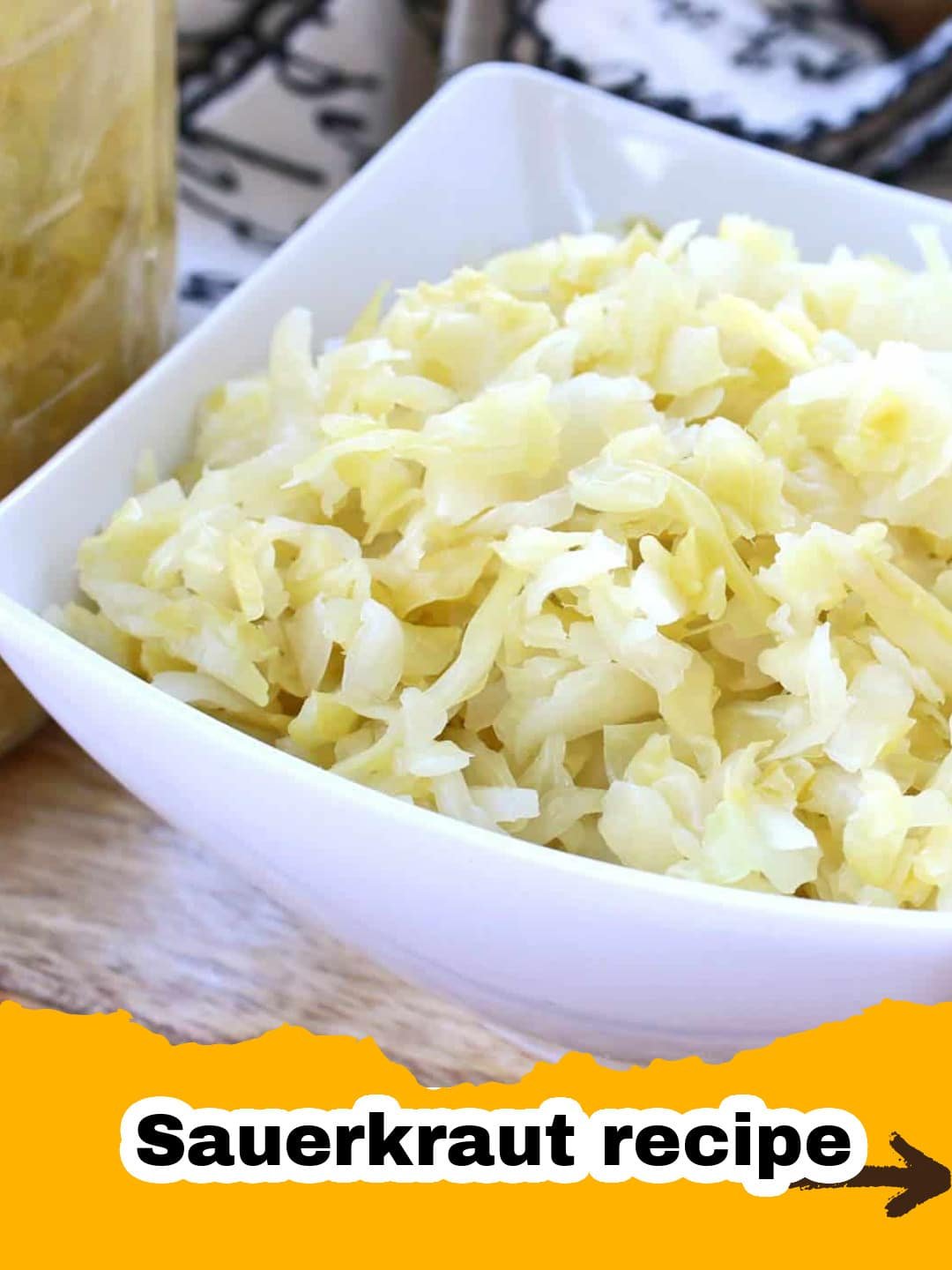
Step-by-Step Guide with Pro Tips
This section will walk you through the entire process of how to make sauerkraut, from prepping your cabbage to storing the finished product. Pay close attention to these steps for the best results!
Equipment You'll Need:
- Large mixing bowl
- Sharp knife or mandoline
- Cutting board
- Fermentation crock, large glass jar (like a gallon-sized wide-mouth jar), or a series of quart-sized jars
- Fermentation weights (or a clean, heavy plate/jar filled with water)
- Airlock lid (optional, but highly recommended for crocks or specific jar lids)
- Clean kitchen towels
Before you begin, ensure all your equipment is sparkling clean and sanitized. This is paramount to successful fermentation and preventing unwanted mold.
The Process: How to Make Sauerkraut
- Step 1: Prepare the Cabbage. Remove any bruised or damaged outer leaves from the cabbage head. Reserve one or two large, clean outer leaves for later use. Cut the cabbage into quarters and remove the core. Shred the cabbage finely, about 1/8 to 1/4 inch thick. A sharp knife or mandoline works best here. Aim for consistent shreds for even fermentation when you make sauerkraut.
- Step 2: Salt the Cabbage. Place the shredded cabbage into a very large mixing bowl. Sprinkle the salt evenly over the cabbage. The general rule of thumb is 2-3 tablespoons of non-iodized salt per 5 pounds of cabbage. Begin to massage the salt into the cabbage vigorously with your clean hands. This is the most crucial part of how to make sauerkraut. Continue massaging for 5-10 minutes, or until the cabbage starts to release its liquid and becomes significantly softer. It should look wet and limp.
- Step 3: Pack the Cabbage. Transfer the salted cabbage into your clean fermentation vessel (crock or glass jar). Pack it down very firmly, pressing out any air pockets. You can use a clean fist, a kraut pounder, or a sturdy spoon. The goal is to submerge all the cabbage under its own brine. If, after firmly packing, there isn't enough brine to cover the cabbage, you may need to add a supplemental brine. To do this, dissolve 1 teaspoon of non-iodized salt in 1 cup of filtered water and add just enough to cover the cabbage.
- Step 4: Submerge and Weigh Down. Place the reserved outer cabbage leaves over the shredded cabbage to help keep smaller pieces submerged. Then, place a fermentation weight directly on top of the cabbage, ensuring all the shredded cabbage remains fully submerged under the brine. This is vital to prevent mold growth. You can use purpose-made Basics Glass Food Storage lids that come with weights or even a smaller, clean jar filled with water placed on top of a plate.
- Step 5: Ferment. Cover the fermentation vessel loosely with a lid, a clean cloth, or an airlock system. Store the vessel at room temperature, ideally between 60-75°F (15-24°C), away from direct sunlight. Check your sauerkraut every day or two. You should see bubbles forming, which indicates active fermentation. If any scum or mold forms on the surface, carefully skim it off with a clean spoon. As an expert in how to make sauerkraut, I always keep an eye on the fermenting process.
- Step 6: Taste and Store. Begin tasting your sauerkraut after 3-4 weeks. The fermentation time will vary depending on the temperature and your desired level of tanginess and texture. Once it reaches your preferred taste, transfer the sauerkraut (and its brine) to clean jars, ensuring the cabbage remains submerged. Store it in the refrigerator, where it will continue to slowly ferment and keep for several months. For another fantastic fermented dish, try this recipe for Discovering the Magic: How to Make The Best Brussels Sprouts of Your Life, which complements sauerkraut wonderfully. For a hearty meal, consider serving your finished sauerkraut with The Secret to the Best Ever Pork Roast and Sauerkraut.
Variations & Serving Suggestions
Flavorful Additions to Your Sauerkraut
- Caraway Seeds: A classic addition for an authentic German flavor profile. Add them during the salting stage.
- Juniper Berries: Another traditional spice that adds a subtle piney, peppery note.
- Dill: For a fresh, herbal twist, add fresh or dried dill.
- Garlic & Onion: Finely minced garlic cloves or thinly sliced onions can add a pungent depth.
- Red Cabbage: Use red cabbage instead of green for a beautiful purple sauerkraut with a slightly different flavor.
Serving Your Homemade Sauerkraut
Once you know how to make sauerkraut, the possibilities are endless!
- Classic Pairings: Serve with grilled bratwurst, hot dogs, corned beef, or roasted pork. The tangy crunch cuts through rich meats beautifully.
- Sandwiches & Wraps: Add a spoonful to reuben sandwiches, turkey wraps, or even a simple grilled cheese for an extra zing.
- Salads: Incorporate it into potato salads, coleslaw, or grain bowls for a probiotic boost and tangy flavor.
- Side Dish: Enjoy it simply on its own as a healthy, flavorful side dish to almost any meal.
- Soups & Stews: Add it to hearty winter soups or stews for an extra layer of flavor and texture.
Nutrition Information
| Nutrient | Amount Per Serving |
|---|---|
| Serving Size | 1/2 cup (70g) |
| Calories | 15 kcal |
| Fat Content | 0.1 g |
| Saturated Fat Content | 0 g |
| Trans Fat Content | 0 g |
| Unsaturated Fat Content | 0.1 g |
| Cholesterol Content | 0 mg |
| Sodium Content | 460 mg |
| Carbohydrate Content | 3.5 g |
| Fiber Content | 1.5 g |
| Sugar Content | 1.5 g |
| Protein Content | 0.8 g |
Please note: Nutritional values are estimates and can vary based on specific ingredients and preparation methods. Fermentation can slightly alter nutrient content.
Conclusion
Mastering how to make sauerkraut is a rewarding experience that connects you with ancient culinary traditions and provides a delicious, gut-healthy food source. It’s a process of patience and simple ingredients transforming into something truly magical. Don't be intimidated; the bubbling and fermenting are signs of life, of good bacteria doing their work. So go ahead, grab a head of cabbage, and embark on your own fermentation adventure. Your taste buds and your gut will thank you!
I hope this guide encourages you to try your hand at making this incredible fermented food. Knowing how to make sauerkraut means you have a versatile, healthy condiment always at your fingertips. Happy fermenting!
FAQs
How do I know if my homemade sauerkraut is fermenting properly?
You'll know your sauerkraut is fermenting correctly if you see small bubbles rising through the brine, especially when you gently tap the jar. You might also notice a slightly tangy, pleasant aroma developing. A healthy ferment usually doesn't show any signs of mold, though a thin, white film (kahm yeast) can sometimes appear on the surface; this is generally harmless and can be skimmed off.
What type of salt should I use to make sauerkraut?
It is crucial to use non-iodized salt for making sauerkraut. Iodine and anti-caking agents found in many common table salts can inhibit the growth of beneficial bacteria essential for fermentation, leading to poor results or spoilage. Opt for pickling salt, canning salt, or pure sea salt (like Himalayan pink salt or Celtic sea salt) that contains no additives.
Why is it important to keep the cabbage submerged under the brine?
Keeping the cabbage fully submerged under the brine is essential because fermentation is an anaerobic process, meaning it occurs without oxygen. Exposure to air can allow undesirable molds and yeasts to grow on the surface of the cabbage, leading to spoilage. Using a fermentation weight and ensuring sufficient brine coverage prevents this, creating a safe environment for the beneficial lacto-fermentation to occur.
How long does homemade sauerkraut last in the refrigerator?
Once fermented to your liking and transferred to clean jars, homemade sauerkraut can last for several months in the refrigerator. The cold temperature significantly slows down the fermentation process, preserving its tangy flavor and crisp texture. Always ensure the sauerkraut remains submerged in its brine for optimal storage.
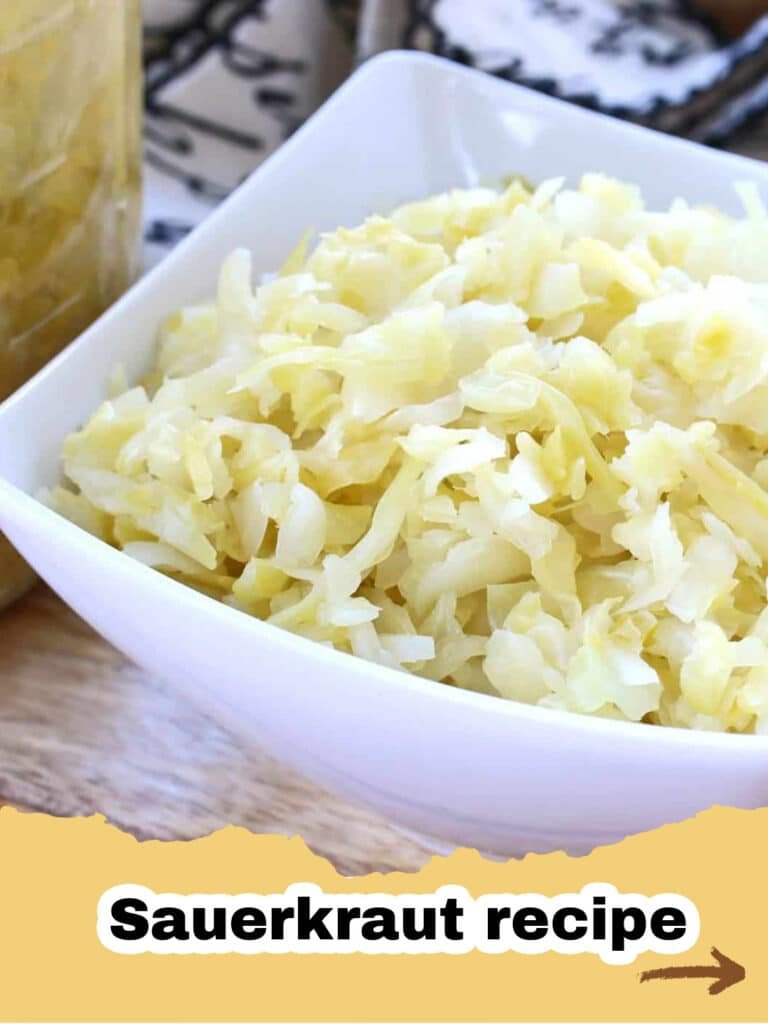
Homemade Sauerkraut
A classic, simple recipe for making your own delicious and probiotic-rich sauerkraut at home. This traditional fermentation method turns humble cabbage into a tangy, crunchy, and incredibly healthy condiment perfect for countless dishes.
- Total Time: 3-4 weeks, 30 min active
- Yield: About 2 quarts
Ingredients
5 lbs (about 2.2 kg) green cabbage
2-3 tablespoons non-iodized salt (pickling salt, sea salt, or Himalayan pink salt)
Optional: Filtered water (if cabbage doesn't release enough brine)
Instructions
Step 1: Prepare the Cabbage. Remove any bruised or damaged outer leaves from the cabbage head. Reserve one or two large, clean outer leaves for later use. Cut the cabbage into quarters and remove the core. Shred the cabbage finely, about 1/8 to 1/4 inch thick. A sharp knife or mandoline works best here. Aim for consistent shreds for even fermentation when you make sauerkraut.
Step 2: Salt the Cabbage. Place the shredded cabbage into a very large mixing bowl. Sprinkle the salt evenly over the cabbage. The general rule of thumb is 2-3 tablespoons of non-iodized salt per 5 pounds of cabbage. Begin to massage the salt into the cabbage vigorously with your clean hands. This is the most crucial part of how to make sauerkraut. Continue massaging for 5-10 minutes, or until the cabbage starts to release its liquid and becomes significantly softer. It should look wet and limp.
Step 3: Pack the Cabbage. Transfer the salted cabbage into your clean fermentation vessel (crock or glass jar). Pack it down very firmly, pressing out any air pockets. You can use a clean fist, a kraut pounder, or a sturdy spoon. The goal is to submerge all the cabbage under its own brine. If, after firmly packing, there isn't enough brine to cover the cabbage, you may need to add a supplemental brine. To do this, dissolve 1 teaspoon of non-iodized salt in 1 cup of filtered water and add just enough to cover the cabbage.
Step 4: Submerge and Weigh Down. Place the reserved outer cabbage leaves over the shredded cabbage to help keep smaller pieces submerged. Then, place a fermentation weight directly on top of the cabbage, ensuring all the shredded cabbage remains fully submerged under the brine. This is vital to prevent mold growth. You can use purpose-made weights or even a smaller, clean jar filled with water placed on top of a plate.
Step 5: Ferment. Cover the fermentation vessel loosely with a lid, a clean cloth, or an airlock system. Store the vessel at room temperature, ideally between 60-75°F (15-24°C), away from direct sunlight. Check your sauerkraut every day or two. You should see bubbles forming, which indicates active fermentation. If any scum or mold forms on the surface, carefully skim it off with a clean spoon. As an expert in how to make sauerkraut, I always keep an eye on the fermenting process.
Step 6: Taste and Store. Begin tasting your sauerkraut after 3-4 weeks. The fermentation time will vary depending on the temperature and your desired level of tanginess and texture. Once it reaches your preferred taste, transfer the sauerkraut (and its brine) to clean jars, ensuring the cabbage remains submerged. Store it in the refrigerator, where it will continue to slowly ferment and keep for several months.
Notes
Always use non-iodized salt and filtered water to ensure successful fermentation. Keep all equipment meticulously clean to prevent spoilage. The ideal fermentation temperature is 60-75°F (15-24°C). If using a crock, make sure it has a water seal. For jars, burp them daily or use airlock lids.
- Prep Time: 30 minutes
- Cook Time: 3-4 weeks (fermentation)
- Category: Fermented Foods
- Cuisine: German
Nutrition
- Serving Size: 1/2 cup (70g)
- Calories: 15 kcal
- Sugar: 1.5 g
- Sodium: 460 mg
- Fat: 0.1 g
- Saturated Fat: 0 g
- Unsaturated Fat: 0.1 g
- Trans Fat: 0 g
- Carbohydrates: 3.5 g
- Fiber: 1.5 g
- Protein: 0.8 g
- Cholesterol: 0 mg






Leave a Reply