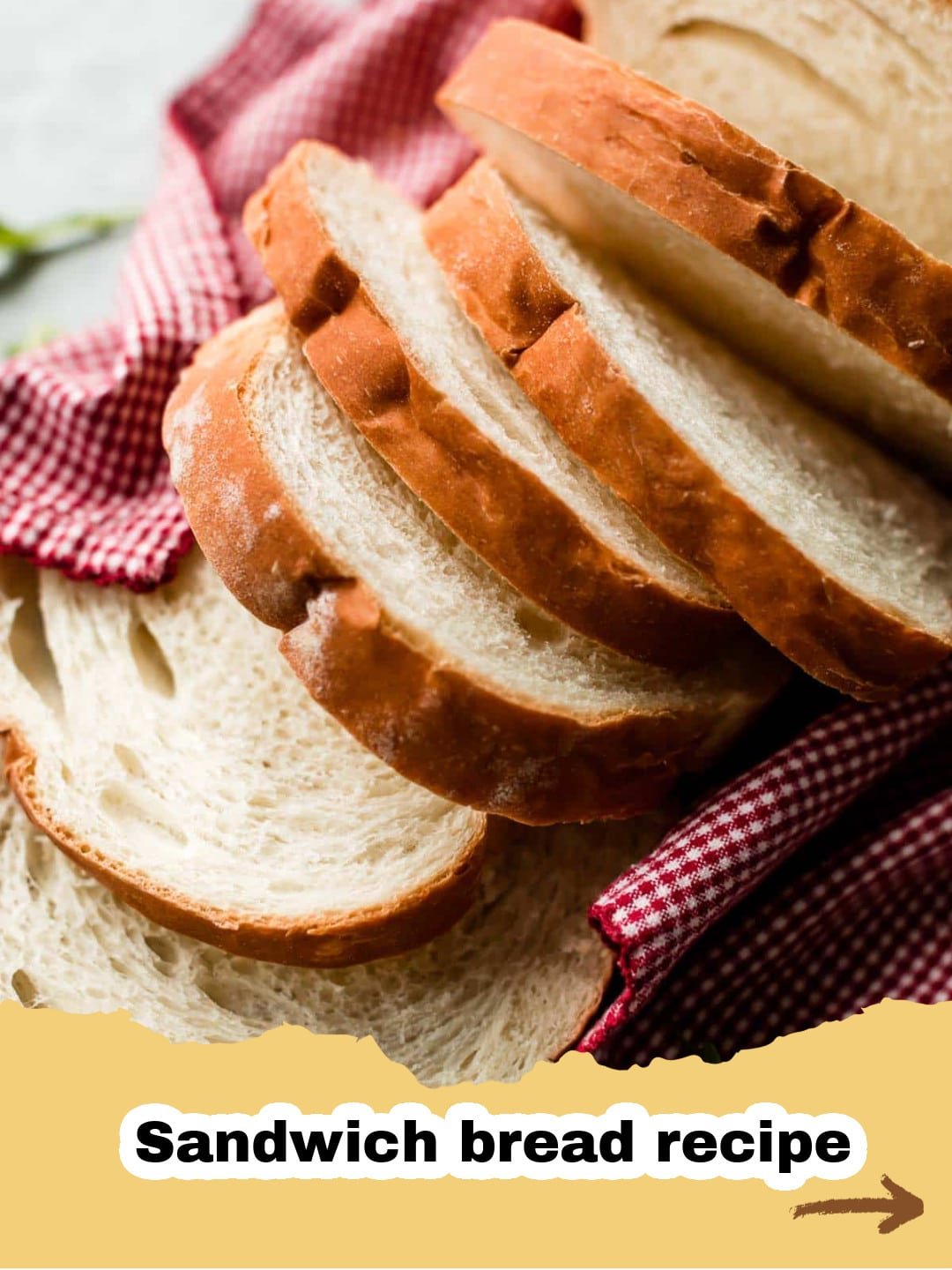
There's nothing quite like the aroma of freshly baked Sandwich Bread filling your kitchen. For me, that scent transports me back to my grandmother's bustling kitchen on a Saturday morning. She'd always have a loaf of her signature homemade bread cooling on the counter, its crust gleaming golden brown, just waiting to be sliced and slathered with butter or used for the perfect tomato sandwich. It wasn't just bread; it was a symbol of her love, her patience, and the simple joy of creating something nourishing from scratch. I remember trying to peek into the oven, impatient for it to be ready, and then the pure bliss of that first warm, tender bite. That memory ignited my passion for baking, and over the years, I've perfected a recipe that captures that same magic. This isn't just a recipe; it's an invitation to recreate those cherished moments in your own home, to fill your space with warmth, and to enjoy the unparalleled taste of truly homemade Sandwich Bread.
Forget the store-bought alternatives; this homemade Sandwich Bread recipe will revolutionize your lunchbox game and elevate your breakfast toasts. It’s incredibly rewarding to pull a perfectly risen, golden loaf from your oven, knowing exactly what ingredients went into it. The texture is impossibly soft and fluffy, making it ideal for everything from classic PB&J to gourmet deli sandwiches. Plus, the flavor is simply unbeatable—a subtle sweetness with that comforting, yeasty depth that only homemade bread can offer. Get ready to impress your family and friends with this surprisingly easy-to-make masterpiece. You'll never look back once you try this incredible Sandwich Bread.
Why This Recipe is a Must-Try
- Unbeatable Freshness & Flavor: Nothing compares to the taste and smell of warm, homemade Sandwich Bread. It's miles ahead of anything you'll buy at the store, with a rich, nuanced flavor profile.
- Perfect Texture Every Time: This recipe consistently delivers a light, airy, and soft crumb, making it the ideal base for any sandwich, or even just enjoyed on its own with a smear of butter.
- Economical & Wholesome: Making your own bread is far more cost-effective than buying artisan loaves, and you control all the ingredients, ensuring a wholesome product free from unwanted additives.
- A Truly Rewarding Experience: There’s a profound sense of accomplishment and joy in baking bread from scratch. It's a therapeutic process that yields delicious results.
Key Ingredient Notes
While this Sandwich Bread recipe uses common ingredients, understanding their role is key to achieving that perfect loaf:
All-Purpose Flour
For this recipe, all-purpose flour works wonderfully. While bread flour (with its higher protein content) can produce a slightly chewier loaf, good quality all-purpose flour will give you the tender, soft crumb characteristic of excellent Sandwich Bread. Ensure your flour is fresh; stale flour can impact the rise and flavor of your bread.
Active Dry Yeast
Yeast is the living organism responsible for making your bread rise. Active dry yeast needs to be 'activated' in warm liquid (water or milk, in this case) with a little sugar to get it going. This step is crucial. If your yeast doesn't foam or bubble after about 5-10 minutes, it's likely dead, and your bread won't rise. Always check the expiration date on your yeast package.
Warm Milk
Using milk instead of just water adds richness, a slightly sweeter flavor, and contributes to a softer crust and crumb. The warmth of the milk (around 105-115°F or 40-46°C) is vital for activating the yeast without killing it. Too hot, and you kill the yeast; too cold, and it won't activate properly. A kitchen thermometer is your best friend here.
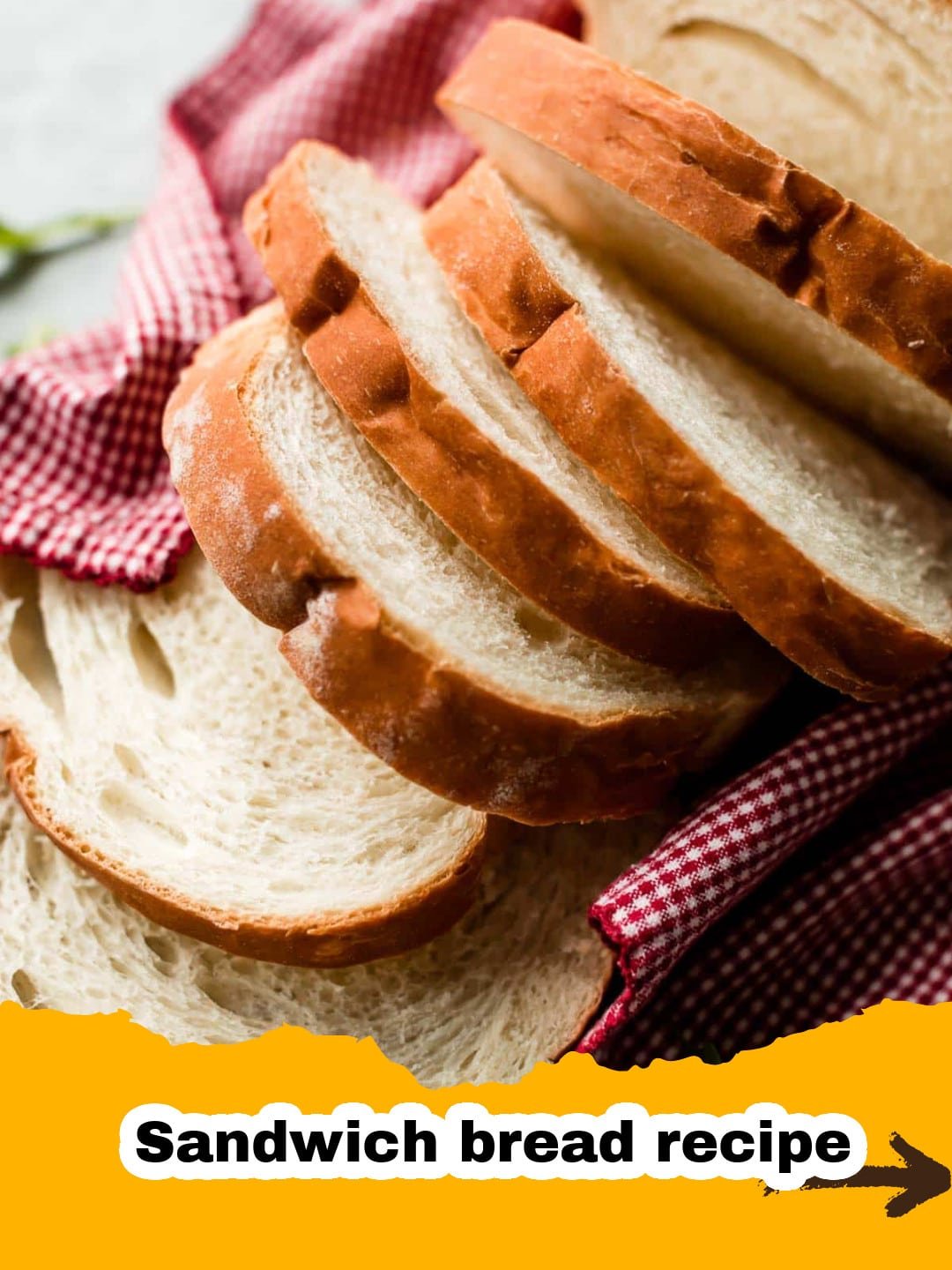
Step-by-Step Guide with Pro Tips
Baking homemade Sandwich Bread is a journey, and these steps, along with my pro tips, will guide you to perfection.
Getting Started: Activating the Yeast
The foundation of great bread lies in lively yeast. Don't skip this step!
- Pro Tip: Ensure your milk is the correct temperature. If it's too hot, it will kill the yeast; too cold, and the yeast won't activate.
Mixing and Kneading the Dough
Kneading develops the gluten, which gives your Sandwich Bread its structure and chew.
- Pro Tip: Don't be tempted to add too much extra flour during kneading. A slightly sticky dough leads to a softer loaf. If it's too sticky to handle, add flour one tablespoon at a time.
First Rise (Bulk Fermentation)
This is where the magic happens and the flavors develop.
- Pro Tip: A warm, draft-free spot is ideal for rising. You can create one in your oven by placing a pan of boiling water on the bottom rack, then turning off the oven and placing your dough inside. This also helps develop a lovely crust on your homemade homemade sauerkraut if you're feeling adventurous.
Shaping the Loaf
Proper shaping helps create a uniform crumb and prevents large air pockets.
- Pro Tip: If your dough is resisting, let it rest for 5-10 minutes. The gluten will relax, making it easier to shape your Sandwich Bread.
Second Rise (Proofing)
The final rise before baking helps achieve that light, airy texture.
- Pro Tip: Don't overproof! If the dough rises too much, it can collapse in the oven, resulting in a dense loaf.
Baking Your Masterpiece
The moment of truth!
- Pro Tip: An instant-read thermometer is excellent for checking doneness. The internal temperature of baked bread should be around 200-210°F (93-99°C).
Cooling and Storing
Patience is key, even after baking.
- Pro Tip: Cooling on a wire rack is essential to prevent a soggy bottom crust. Store cooled bread in an airtight container or a bread bag to maintain freshness. For longer storage, consider using reliable Basics Glass Food Storage containers. This homemade Sandwich Bread also freezes beautifully!
Variations & Serving Suggestions
This basic Sandwich Bread recipe is incredibly versatile. Once you master the basic loaf, you can get creative!
Variations:
- Whole Wheat Twist: Substitute up to 1 cup of all-purpose flour with whole wheat flour for a heartier, nuttier loaf. You might need a tiny bit more liquid.
- Honey Oat Bread: Add 1/2 cup of rolled oats (not instant) to the dough and swap sugar for honey for a delightful twist.
- Garlic Herb Bread: Mix in 2-3 cloves of minced garlic and 1-2 tablespoons of fresh chopped herbs (rosemary, thyme, oregano) during the kneading phase.
- Cinnamon Raisin Bread: Add 1/2 cup of raisins and 2 teaspoons of ground cinnamon when mixing the dry ingredients. Perfect for a breakfast toast alongside your favorite homemade healthy granola!
Serving Suggestions:
- Classic Sandwiches: The obvious choice! From grilled cheese to deli meat masterpieces, this bread holds up beautifully.
- Toast & Jam: A simple pleasure. Slather with butter and your favorite jam or marmalade.
- French Toast: Thick slices of this bread make the most incredible French toast.
- Croutons: If you have any leftover bread that's a day or two old, cube it, toss with olive oil and seasonings, and bake until crisp for homemade croutons.
Nutrition Information
Here's a breakdown of the estimated nutrition per serving for this delightful Sandwich Bread:
| Nutrient | Amount Per Serving |
|---|---|
| Calories | 160 kcal |
| Carbohydrate Content | 30g |
| Cholesterol Content | 10mg |
| Fat Content | 2.5g |
| Fiber Content | 1g |
| Protein Content | 5g |
| Saturated Fat Content | 1g |
| Serving Size | 1 slice (approx. 45g) |
| Sodium Content | 220mg |
| Sugar Content | 3g |
| Trans Fat Content | 0g |
| Unsaturated Fat Content | 1.5g |
Conclusion
Baking homemade Sandwich Bread is one of the most satisfying kitchen endeavors, and I truly hope this recipe brings as much joy to your home as it has to mine. From the comforting aroma that fills your kitchen to the first bite of a soft, tender slice, every step is a delight. This recipe is more than just ingredients and instructions; it's a doorway to creating cherished memories and enjoying wholesome, delicious food. So go ahead, dust off your mixing bowl, and embark on your own journey to baking the best Sandwich Bread you've ever tasted. Happy baking!
FAQs
Can I make this sandwich bread ahead of time?
Yes, absolutely! You can bake the bread, let it cool completely, and then store it at room temperature in an airtight container or bread bag for up to 3-4 days. For longer storage, you can slice the cooled bread and freeze it in a freezer-safe bag for up to 3 months. Just thaw slices as needed.
What if my yeast doesn't foam?
If your yeast doesn't foam after 5-10 minutes in the warm milk and sugar mixture, it means your yeast is likely inactive or dead. Do not proceed with the recipe as your bread will not rise. Discard the mixture and start again with fresh yeast, ensuring your milk temperature is between 105-115u00b0F (40-46u00b0C).
Why is my sandwich bread dense?
Several factors can lead to dense bread: inactive yeast, not kneading the dough enough (which means gluten hasn't developed properly), or adding too much flour during kneading. Ensure your yeast is active, knead until the dough is elastic, and be mindful of not adding excessive flour.
Can I use whole wheat flour for this recipe?
Yes, you can substitute up to 1 cup of the all-purpose flour with whole wheat flour for a heartier loaf. Whole wheat flour absorbs more liquid, so you might need to add an extra tablespoon or two of milk to achieve the correct dough consistency.
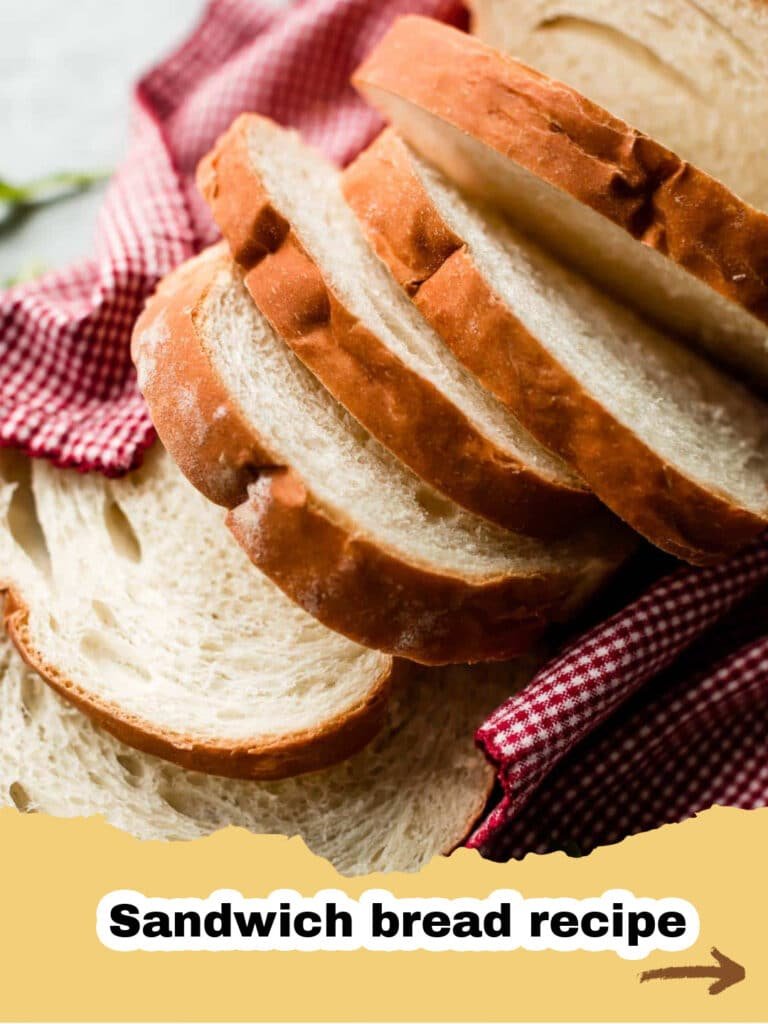
The Best Homemade Sandwich Bread
Discover the secret to baking incredibly soft, fluffy, and flavorful homemade sandwich bread with this easy-to-follow recipe. Perfect for everyday sandwiches, toast, or just a delicious snack.
- Total Time: 2 hours 30 minutes
- Yield: 1 standard loaf (12-16 slices)
Ingredients
1 cup (240ml) whole milk, warmed to 105-115°F (40-46°C)
2 tablespoons granulated sugar, plus 1 teaspoon for yeast
2 1/4 teaspoons active dry yeast (one standard packet)
1/4 cup (56g) unsalted butter, melted
1 large egg, room temperature
1 teaspoon salt
3 to 3 1/2 cups (360-420g) all-purpose flour, plus more for dusting
Instructions
Step 1: In a large mixing bowl or the bowl of a stand mixer, combine the warm milk and 1 teaspoon of granulated sugar. Sprinkle the active dry yeast over the top and let it sit for 5-10 minutes, until foamy. This indicates the yeast is active.
Step 2: Add the remaining 2 tablespoons of granulated sugar, melted butter, egg, and salt to the yeast mixture. Stir until well combined.
Step 3: Gradually add 3 cups of the all-purpose flour, one cup at a time, mixing until a shaggy dough forms. If using a stand mixer, use the dough hook attachment.
Step 4: Turn the dough out onto a lightly floured surface and knead for 8-10 minutes, or continue kneading with a stand mixer on medium speed for 6-8 minutes, until the dough is smooth, elastic, and no longer sticky. Add up to 1/2 cup more flour, one tablespoon at a time, if the dough is too sticky to handle.
Step 5: Lightly grease a clean large bowl with a little oil. Place the dough in the bowl, turning once to coat. Cover the bowl with plastic wrap or a clean kitchen towel and let it rise in a warm, draft-free place for 1 to 1.5 hours, or until doubled in size.
Step 6: Once the dough has doubled, gently punch it down to release the air. Turn the dough out onto a lightly floured surface. Flatten it into a rectangle approximately 9x12 inches.
Step 7: Starting from one of the longer sides, tightly roll the dough into a log. Pinch the seam closed and tuck the ends under to create a smooth loaf shape.
Step 8: Grease a 9x5 inch loaf pan. Place the shaped dough seam-side down into the prepared pan. Cover the loaf pan loosely with plastic wrap or a kitchen towel and let it rise again in a warm place for another 30-45 minutes, or until it has risen about 1 inch above the rim of the pan.
Step 9: While the dough is rising for the second time, preheat your oven to 375°F (190°C).
Step 10: Bake the bread for 30-35 minutes, or until the top is golden brown and the internal temperature reaches 200-210°F (93-99°C). If the top browns too quickly, you can lightly tent it with aluminum foil.
Step 11: Remove the bread from the oven and immediately turn it out onto a wire rack to cool completely before slicing. This allows the internal structure to set and prevents a soggy bottom.
Notes
For best results, use fresh yeast and ensure your milk is at the correct temperature for activation. Allow the bread to cool completely before slicing for the best texture. This bread also freezes beautifully for longer storage.
- Prep Time: 25 minutes
- Cook Time: 30 minutes
- Category: Bread
- Cuisine: American
Nutrition
- Serving Size: 1 slice (approx. 45g)
- Calories: 160 kcal
- Sugar: 3g
- Sodium: 220mg
- Fat: 2.5g
- Saturated Fat: 1g
- Unsaturated Fat: 1.5g
- Trans Fat: 0g
- Carbohydrates: 30g
- Fiber: 1g
- Protein: 5g
- Cholesterol: 10mg






Leave a Reply