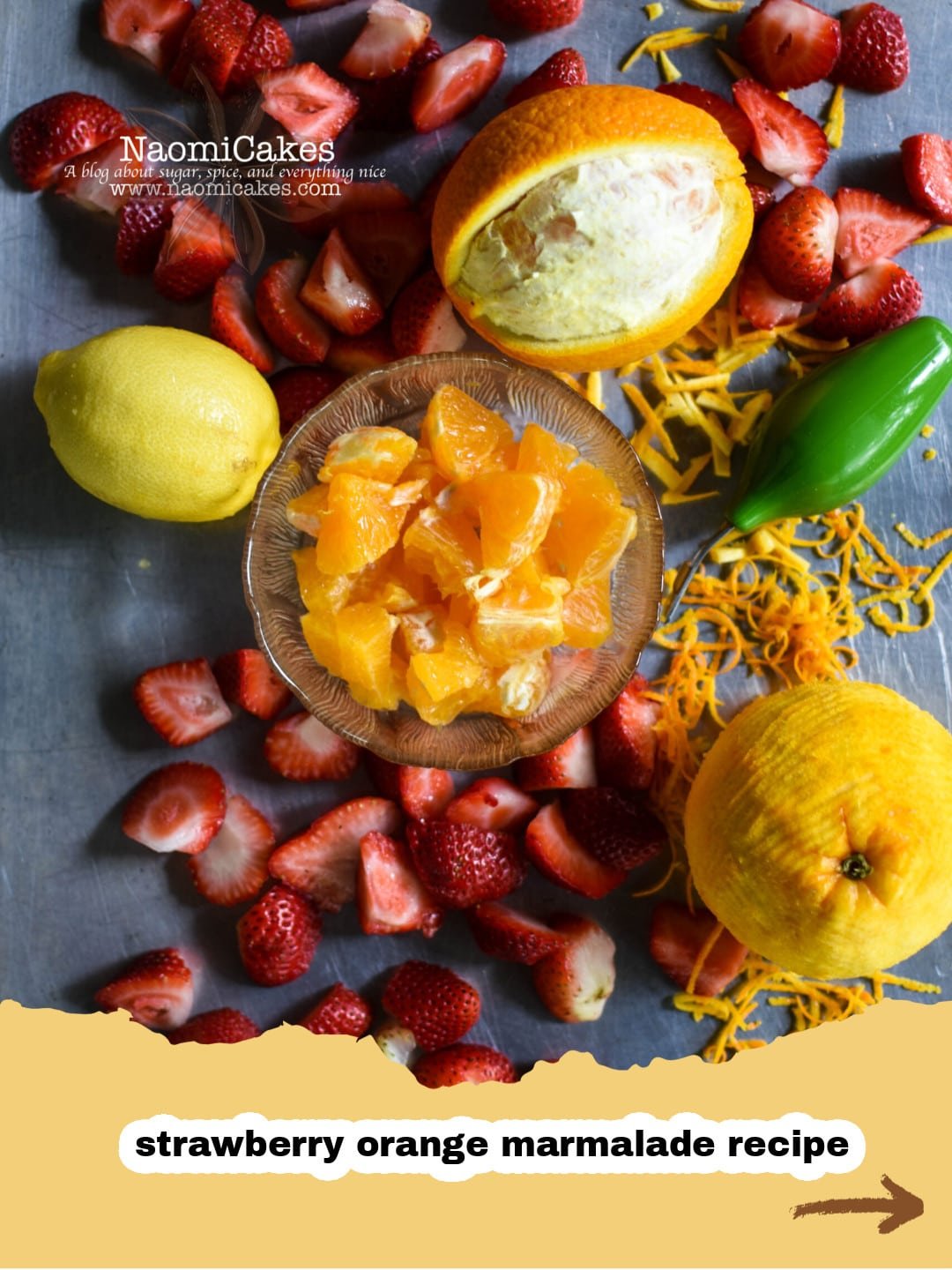
There’s something truly magical about turning fresh, vibrant fruit into a glistening jar of homemade preserves. This past spring, as the strawberry fields brimmed with ruby red jewels and the last of the winter oranges still offered their zesty charm, I found myself drawn to the idea of creating a Strawberry Orange Marmalade. My grandmother, a true artisan of the kitchen, always had a pantry stocked with her various jams and jellies, each one telling a story of the season it captured. I remember helping her pick berries as a child, our fingers stained red, the air sweet with the promise of future treats. Her secret, she’d say, was patience and good quality fruit, and a certain intuitive feel for when the jam was 'just right.' This year, with a bountiful harvest of both strawberries and oranges, I decided to blend their sunny flavors into a marmalade that would carry the essence of spring and early summer right into the colder months. The idea of combining the familiar, comforting sweetness of strawberries with the bright, slightly bitter, and deeply aromatic notes of orange peel felt like a culinary adventure. The resulting Strawberry Orange Marmalade was a revelation – a sophisticated yet comforting spread that brightens up even the simplest slice of toast, or elevates a humble scone to something truly special. It brings a touch of handcrafted luxury to your breakfast table, and the process itself is wonderfully therapeutic.
Why This Recipe is a Must-Try
- A Symphony of Flavors: The sweet, juicy notes of ripe strawberries perfectly complement the bright, zesty tang of fresh oranges, creating a complex and incredibly delicious Strawberry Orange Marmalade that’s more than just a jam.
- Seasonal Delight: It's the perfect way to preserve the bounty of late spring and early summer, allowing you to enjoy those sun-kissed flavors all year round.
- Versatile & Impressive: Beyond toast, this Strawberry Orange Marmalade is fantastic on scones, as a glaze for pastries, or even as a unique accompaniment to cheese boards. It also makes a beautiful, thoughtful homemade gift.
- Healthier Homemade Option: By making your own, you control the ingredients, ensuring a fresher product with no artificial additives, and often less sugar than commercial varieties.
Key Ingredient Notes
Crafting the perfect Strawberry Orange Marmalade starts with understanding your main players. Quality ingredients are truly the secret to a spectacular preserve.
Strawberries:
Choose ripe, firm, and fragrant strawberries. They should be deep red all the way through, not pale or mushy. While smaller berries often have more intense flavor, any size will work as long as they are fresh. Avoid any with mold or soft spots. Remember, the better your strawberries, the more vibrant your Strawberry Orange Marmalade will be, both in color and taste.
Oranges:
For marmalade, you want oranges with good, thick peel and intense flavor. Seville oranges are traditional for marmalades due to their high pectin content and pleasant bitter notes, which balance sweetness beautifully. However, if Seville oranges aren't available, navel or Valencia oranges can be used. Just be aware that their pectin content might be lower, so you might need a touch more commercial pectin or a slightly longer cook time to achieve the desired set for your Strawberry Orange Marmalade. Organic oranges are highly preferable since you'll be using the peel in its entirety.
Sugar:
Granulated sugar is standard and essential. It not only sweetens the preserve but also acts as a crucial preservative, inhibiting bacterial growth, and plays a vital role in the setting process by interacting with the fruit's pectin. The ratio of sugar to fruit is critical for both flavor balance and the shelf stability of your homemade marmalade. Don't be tempted to drastically reduce the sugar, as it can compromise both the set and the preservation qualities of your beautiful Strawberry Orange Marmalade.
Step-by-Step Guide with Pro Tips
Making Strawberry Orange Marmalade is a labor of love, but the process is incredibly rewarding, filling your kitchen with an intoxicating aroma. Follow these steps meticulously for success and a perfectly set, flavorful preserve:
Preparing the Fruit:
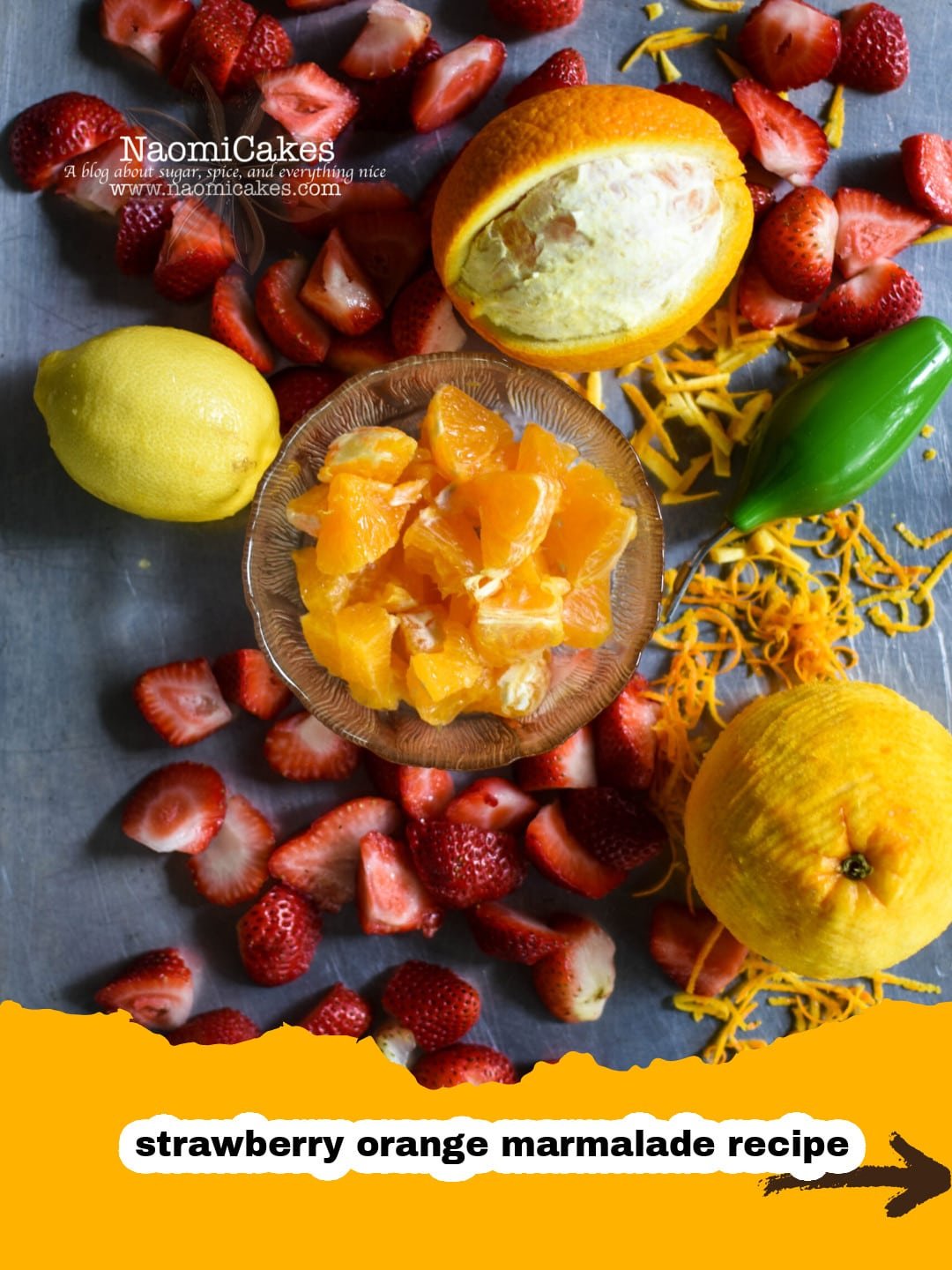
- Strawberries: Start by gently washing your ripe strawberries under cool running water. Hull them carefully, removing the green caps and any tough white cores. Quarter the strawberries to ensure they break down evenly during cooking. If you have particularly large berries, consider cutting them into smaller, uniform pieces to aid in consistent cooking and a desirable texture in your finished Strawberry Orange Marmalade.
- Oranges: Wash the oranges thoroughly under cold running water, as you'll be using the peel. For a classic marmalade texture, use a very sharp knife or a mandoline to thinly slice them, including the peel and pith. This delicate slicing is key to getting those lovely, translucent pieces of peel characteristic of a good marmalade. Be sure to remove any seeds you encounter, as they can impart bitterness. Alternatively, you can zest the oranges and then segment them, finely chopping the peel separately. While this method yields a different texture, it still produces a delicious Strawberry Orange Marmalade.
The Cooking Process:
This is where the magic happens, transforming simple fruit into a gleaming, jewel-toned spread!
- Combining Ingredients: In a large, heavy-bottomed pot or Dutch oven (this is crucial for even heat distribution and preventing scorching), combine the prepared strawberries, thinly sliced oranges (or chopped peel and segments), and granulated sugar. Stir gently but thoroughly to combine, ensuring all the fruit is coated. Now, let the mixture sit for 30 minutes to an hour at room temperature. This "maceration" step allows the fruit to release its natural juices, which helps the sugar dissolve more easily and kickstarts the pectin extraction, all vital for a well-set Strawberry Orange Marmalade.
- Initial Cook: Place the pot over medium-low heat. Stir constantly, paying attention to the bottom of the pot, until all the sugar completely dissolves. You should no longer feel any grittiness when you rub a small amount between your fingers. Once dissolved, increase the heat to medium-high and bring the mixture to a full, rolling boil that cannot be stirred down.
- Simmer and Thicken: As soon as it reaches a rolling boil, reduce the heat to medium-low. Continue to simmer, stirring occasionally, especially as it thickens, to prevent sticking and scorching on the bottom. The goal is to cook down the mixture until it thickens considerably and reaches the gelling point. This can take anywhere from 30 minutes to an hour or even longer, depending on the ripeness and pectin content of your fruit, and the intensity of your heat. Be patient; rushing this step can result in a runny marmalade. The aroma of citrus and sweet berries filling your kitchen will be your reward!
Testing for Set:
This is arguably the most crucial part to ensure your Strawberry Orange Marmalade sets perfectly. Don't skip these tests!
- Cold Plate Test: Before you even begin cooking, place a few small ceramic plates or saucers in your freezer. When you suspect the marmalade is nearing readiness (it will look thick and syrupy, and the bubbles will become larger and slower), spoon a small amount onto one of the very cold plates. Let it sit for 1 minute to cool down. Then, push the edge of the marmalade with your finger. If it wrinkles and forms a skin, it's ready! If it's still runny, continue cooking and test again in 5-10 minutes with a fresh cold plate.
- Temperature Test: For a more precise method, use a candy thermometer. The gelling point for most fruit preserves is typically around 220°F (104°C). However, always cross-reference with the cold plate test, as altitude and specific fruit pectin can influence the exact temperature required.
Jarring and Storing:
Proper sterilization and canning techniques are essential for safe, long-term storage of your beautiful homemade Strawberry Orange Marmalade.
- Sterilize Jars: While your marmalade is simmering, sterilize your canning jars and lids. You can do this by boiling them in water for 10 minutes, or running them through a hot cycle in your dishwasher. Keep them hot until ready to fill.
- Fill Jars: Carefully ladle the hot Strawberry Orange Marmalade into the sterilized, hot jars, leaving about 1/4 inch of headspace from the rim. This headspace is critical for proper sealing. Use a non-metallic utensil (like a clean knife or skewer) to gently remove any air bubbles trapped within the marmalade.
- Seal: Wipe the rims of the jars clean with a damp cloth – any residue can prevent a proper seal. Place the sterilized lids on top, and then screw on the bands until they are finger-tight (don't overtighten).
- Water Bath Canning (Optional but Recommended): For shelf-stable marmalade that you can store in your pantry, process the filled jars in a boiling water bath for 10 minutes (remember to adjust processing time for higher altitudes). This creates a vacuum seal, ensuring long-term preservation. Carefully remove the jars and let them cool undisturbed on a towel on your countertop for 24 hours. After 24 hours, check all seals; the lid should be concave and not flex when pressed. If any jar hasn't sealed, store it in the refrigerator and consume it within a few weeks. For excellent long-term storage, I highly recommend investing in quality jars like the Basics Glass Food Storage jars, which are durable and seal exceptionally well, perfect for safeguarding your precious batches of Strawberry Orange Marmalade.
Variations & Serving Suggestions
Once you’ve mastered the classic Strawberry Orange Marmalade, feel free to get creative and experiment with different flavor profiles!
Variations:
- Spiced Marmalade: For a warm, aromatic twist, add a cinnamon stick, a few whole cloves, or a star anise during the cooking process. Be sure to remove them before jarring.
- Herbal Infusion: A small sprig of fresh thyme or rosemary can add an unexpected depth and sophistication to the marmalade. Add it during the last 10-15 minutes of cooking and remove before jarring.
- Pectin Booster: If your fruit is lower in natural pectin or you desire a firmer set, you can incorporate a pouch of liquid or powdered pectin according to package directions.
Serving Suggestions:
- Classic Breakfast: Of course, this Strawberry Orange Marmalade is divine on warm toast, flaky croissants, or a freshly baked scone. Pair it with a cup of tea or coffee for a perfect start to your day.
- Yogurt & Granola: Swirl a generous dollop into plain Greek yogurt with a sprinkle of crunchy granola for a wholesome, flavorful, and vibrant breakfast or snack.
- Cheese Board: The sweet and tangy profile, with a hint of bitterness from the orange peel, makes it an excellent accompaniment to soft, creamy cheeses like brie or goat cheese, and even pairs wonderfully with harder cheeses like aged cheddar or Parmesan.
- Glaze for Meats: Don't limit it to breakfast! This marmalade can be thinned slightly with a touch of water or orange juice and used as a delectable glaze for roast chicken, duck, or pork, adding a beautiful fruity-zesty finish.
- Dessert Component: Use it as a vibrant filling for tarts, a glistening topping for cheesecake, or simply drizzle generously over vanilla bean ice cream. It would even be lovely spread between layers of something like this German Bienenstich (Bee Sting Cake) for an extra fruity layer, or served alongside some fresh Peach Butter Swim Biscuits.
Nutrition Information
Here's a general nutritional breakdown for one serving of this homemade Strawberry Orange Marmalade. Please note these are estimates and can vary based on specific ingredients and preparation methods.
| Nutrient | Amount per Serving |
|---|---|
| Calories | 55 kcal |
| Total Fat | 0.1 g |
| Saturated Fat | 0.0 g |
| Trans Fat | 0.0 g |
| Unsaturated Fat | 0.1 g |
| Cholesterol | 0 mg |
| Sodium | 1 mg |
| Total Carbohydrates | 14 g |
| Fiber Content | 0.5 g |
| Sugar Content | 13 g |
| Protein Content | 0.1 g |
Serving size: 1 tablespoon (approx. 20g)
Conclusion
Making your own Strawberry Orange Marmalade is a truly delightful journey from fresh fruit to glistening jar, culminating in a spread that’s bursting with fresh, vibrant flavors. It’s a wonderful, almost alchemical way to capture the essence of the seasons and bring a little sunshine to your table, no matter the weather outside. Whether you choose to slather it generously on toast, swirl it into creamy yogurt, or present it as a heartfelt homemade gift, this vibrant, homemade marmalade is sure to be a cherished treat. So gather your beautiful, ripe strawberries and zesty oranges, and get ready to create something truly special and delicious that will brighten many a meal. Happy jamming!
FAQs
What kind of oranges are best for Strawberry Orange Marmalade?
While Seville oranges are traditional for their high pectin content and pleasant bitter notes, you can successfully use Navel or Valencia oranges for a sweeter flavor profile. Ensure they are organic if you plan to include the peel.
How do I know if my Strawberry Orange Marmalade is set correctly?
The most reliable method is the cold plate test: spoon a small amount of hot marmalade onto a frozen plate, let it cool for a minute, then gently push it with your finger. If it wrinkles, it's ready. A candy thermometer can also indicate readiness at approximately 220u00b0F (104u00b0C).
Can I reduce the sugar in this marmalade recipe?
It is generally not recommended to drastically reduce the sugar in marmalade recipes, as sugar is crucial for preservation, proper gelling, and the overall texture. Significantly reducing it can lead to a thinner marmalade with a much shorter shelf life and potential spoilage issues.
How long does homemade Strawberry Orange Marmalade last?
If properly processed using a boiling water bath and sealed correctly, homemade Strawberry Orange Marmalade can be stored for up to 1 year in a cool, dark pantry. Once opened, it must be refrigerated and should be consumed within 2-3 weeks. Any unsealed jars should also be kept in the refrigerator.
Strawberry Orange Marmalade
This homemade Strawberry Orange Marmalade is a vibrant blend of sweet strawberries and tangy oranges, offering a burst of sunshine in every spoonful. Perfect for toast, scones, or as a thoughtful gift.
- Total Time: 1 hour 45 minutes
- Yield: About 4 (8-ounce) jars
Ingredients
2 lbs ripe strawberries, hulled and quartered
2 large oranges (preferably organic Seville, or Navel/Valencia), thinly sliced with peel (seeds removed)
4 cups granulated sugar
1/4 cup fresh lemon juice (optional, helps with pectin and brightness)
Instructions
Step 1: Prepare the fruit. Wash and hull the strawberries, then quarter them. Thoroughly wash the oranges and, using a sharp knife or mandoline, thinly slice them, including the peel and pith. Remove any seeds. If preferred, you can zest the oranges and then segment them, finely chopping the zest separately.
Step 2: Combine ingredients. In a large, heavy-bottomed pot or Dutch oven, combine the prepared strawberries, sliced oranges (or chopped zest and segments), and granulated sugar. Stir gently to mix everything thoroughly.
Step 3: Macerate the fruit. Let the fruit and sugar mixture sit at room temperature for 30 minutes to 1 hour. This allows the fruit to release its natural juices, aiding in sugar dissolution and pectin extraction.
Step 4: Cook the marmalade. Place the pot over medium-low heat. Stir constantly until the sugar is completely dissolved. Once dissolved, increase the heat to medium-high and bring the mixture to a rolling boil that cannot be stirred down.
Step 5: Simmer and thicken. Reduce the heat to medium-low and continue to simmer, stirring occasionally to prevent sticking. Cook until the marmalade thickens and reaches its gelling point. This can take 30 minutes to over an hour.
Step 6: Test for set. To check for doneness, perform the cold plate test: Spoon a small amount onto a chilled plate from the freezer. Let it cool for 1 minute, then push it with your finger. If it wrinkles, it's ready. You can also use a candy thermometer; the gelling point is typically around 220°F (104°C).
Step 7: Jar the marmalade. While the marmalade is cooking, sterilize your canning jars and lids. Carefully ladle the hot marmalade into the sterilized jars, leaving 1/4 inch headspace. Remove any air bubbles, wipe the rims clean, and affix the lids and bands finger-tight.
Step 8: Process and store (optional but recommended). For shelf-stable storage, process the filled jars in a boiling water bath for 10 minutes (adjust for altitude). Remove jars and let cool undisturbed for 24 hours. Check seals; unsealed jars should be refrigerated.
Notes
For best flavor, use ripe, in-season strawberries and high-quality oranges. The lemon juice is optional but enhances the brightness and helps with the gelling process due to its natural pectin.
- Prep Time: 30 minutes
- Cook Time: 1 hour 15 minutes
- Category: Preserves
- Cuisine: American
Nutrition
- Serving Size: 1 tablespoon (approx. 20g)
- Calories: 55 kcal
- Sugar: 13 g
- Sodium: 1 mg
- Fat: 0.1 g
- Saturated Fat: 0.0 g
- Unsaturated Fat: 0.1 g
- Trans Fat: 0.0 g
- Carbohydrates: 14 g
- Fiber: 0.5 g
- Protein: 0.1 g
- Cholesterol: 0 mg






Leave a Reply