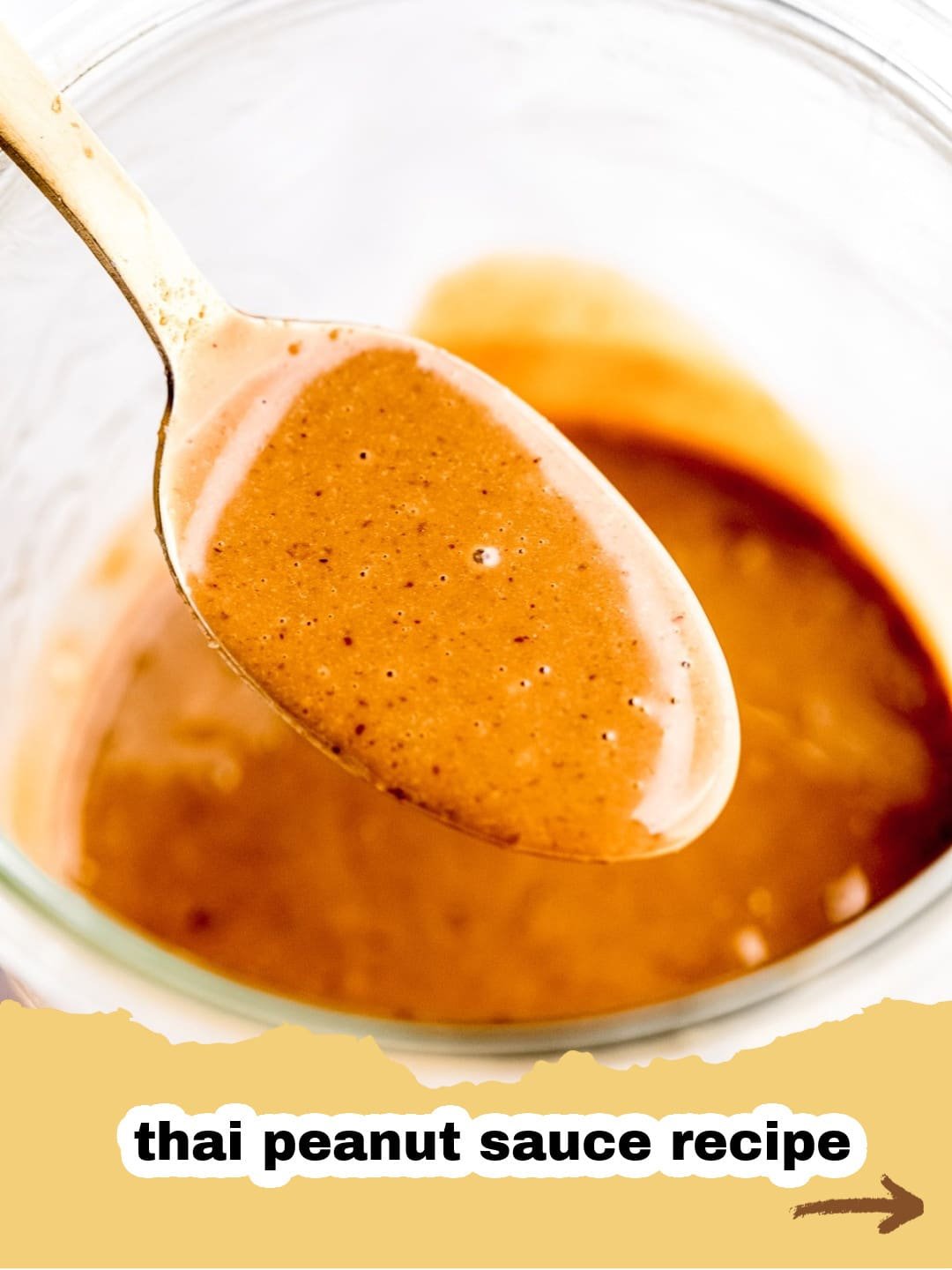
Finding the perfect Thai Peanut Sauce was a culinary turning point for me during a rainy afternoon in a bustling Bangkok alleyway years ago. I remember sitting on a small plastic stool, watching an elderly woman masterfully whisk together a handful of ingredients into a creamy, vibrant elixir that transformed a simple plate of satay into a five-star meal. Since then, I have spent countless hours in my kitchen trying to replicate that exact balance of salty, sweet, sour, and spicy notes. This Thai Peanut Sauce is the result of that obsession, a recipe that has been refined through dozens of trials until it achieved the perfect velvety texture and punchy flavor profile that my family now demands at every gathering. Whether you are a seasoned home cook or a beginner, mastering this sauce will instantly elevate your culinary repertoire, bringing the authentic tastes of Southeast Asia right to your dinner table without requiring a plane ticket.
Why This Recipe is a Must-Try
- Quick and Effortless: You can whip up this Thai Peanut Sauce in under 10 minutes, making it a perfect addition to busy weeknight meals or last-minute entertaining.
- Nutrient-Rich and Natural: Unlike store-bought versions filled with preservatives and high-fructose corn syrup, this recipe uses wholesome, real-food ingredients that you can feel good about.
- Unbeatable Versatility: This Thai Peanut Sauce acts as a dip, a dressing, or a marinade, pairing beautifully with everything from fresh spring rolls to grilled meats and crunchy salads.
- Perfectly Balanced Flavor: We have carefully tuned the ratios of lime, soy, and peanut to ensure no single flavor overpowers the others, creating a harmonious and addictive profile.
Key Ingredient Notes
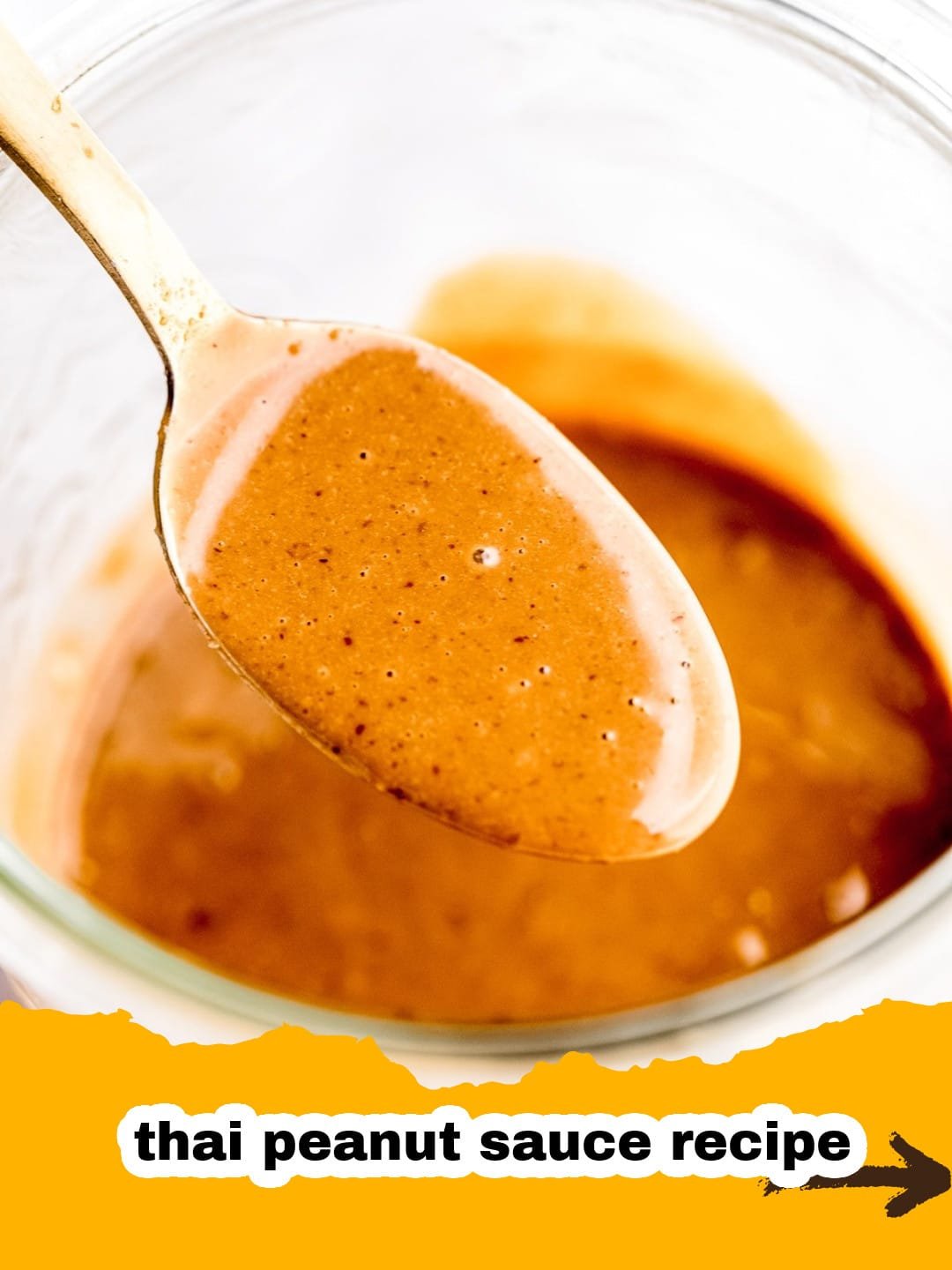
The foundation of any great Thai Peanut Sauce starts with the quality of your peanut butter. While you can use standard commercial brands, I highly recommend using a natural, creamy peanut butter where the only ingredients are peanuts and salt. This provides a cleaner flavor and prevents the sauce from becoming cloyingly sweet. The natural oils in these varieties also help in achieving that glossy, professional finish that makes the Thai Peanut Sauce look as good as it tastes. If you only have crunchy peanut butter on hand, it works too, providing a rustic texture that many people actually prefer for dipping.
Another critical component is the acidity. While some recipes call for rice vinegar, I firmly believe that fresh lime juice is the secret to an authentic Thai Peanut Sauce. The bright, citrusy notes of fresh lime cut through the richness of the fats in the peanut butter and coconut milk, lifting the entire flavor profile. If you find the sauce too thick after whisking, don't just add water; use a splash more lime juice or a bit of full-fat coconut milk to maintain the creamy integrity. For those who enjoy a bit of heat, the inclusion of Sriracha or Thai red curry paste is essential. It adds a depth of warmth that lingers on the palate without being overwhelming. Just like finding the right classic burger sauce for your backyard grill, finding the right spice level for your peanut sauce is a personal journey.
Step-by-Step Guide with Pro Tips
Creating this Thai Peanut Sauce is a straightforward process, but the order of operations matters for the best emulsification. Start by gathering all your ingredients at room temperature. Cold peanut butter can be stubborn and may cause the sauce to break or look curdled. If your peanut butter is particularly firm, a quick 10-second zap in the microwave can make it much more cooperative during the mixing phase.
Pro Tip: When adding the liquid elements to the peanut base, do so gradually. Start with the soy sauce and lime juice, whisking until a thick paste forms, then slowly stream in the coconut milk or warm water. This technique ensures a smooth, lump-free Thai Peanut Sauce. If you are preparing a large batch for a party, using a high-speed blender can yield an even airier, mousse-like consistency that is absolutely divine. Remember to taste as you go! Every brand of peanut butter and every lime has a different level of salt and acidity, so you may need to add an extra pinch of brown sugar or a dash of salt to reach perfection. While I love a rich homemade meat sauce for my Italian dishes, the complexity of this Thai creation is truly in a league of its own when it comes to fusion cooking.
Variations & Serving Suggestions
The beauty of this Thai Peanut Sauce lies in its adaptability. For a vegan-friendly version, ensure you are using maple syrup or agave instead of honey and verify that your soy sauce is vegan (most are, but it's good to check). If you are catering to a gluten-free diet, simply swap the soy sauce for Tamari or liquid aminos. For those who want an extra crunch, garnish the finished Thai Peanut Sauce with crushed roasted peanuts, chopped cilantro, or even a sprinkle of toasted sesame seeds. This adds a visual appeal that makes the dish look restaurant-quality.
When it comes to serving, the sky is the limit. My favorite way to enjoy this Thai Peanut Sauce is drizzled over a vibrant "Rainbow Crunch Salad" filled with purple cabbage, shredded carrots, and edamame. It also makes a fantastic warm sauce for rice noodles—just toss the cooked noodles with the sauce and a splash of pasta water for a quick "Peanut Pad Thai" variation. For leftovers, I recommend storing them in high-quality Basics Glass Food Storage containers. The sauce tends to thicken as it sits in the fridge, so when you are ready to use it again, simply whisk in a teaspoon of warm water to bring back that perfect drizzling consistency. It stays fresh for up to a week, making it an excellent candidate for meal prepping.
Nutrition Information
| Nutrient | Amount per Serving |
|---|---|
| Calories | 145 kcal |
| Carbohydrate Content | 8g |
| Cholesterol Content | 0mg |
| Fat Content | 11g |
| Fiber Content | 2g |
| Protein Content | 5g |
| Saturated Fat Content | 3g |
| Serving Size | 2 tablespoons |
| Sodium Content | 310mg |
| Sugar Content | 4g |
| Trans Fat Content | 0g |
| Unsaturated Fat Content | 8g |
Conclusion
This Thai Peanut Sauce is more than just a condiment; it is a versatile tool that brings excitement to everyday meals. From its humble beginnings in my kitchen to becoming a staple in my pantry, it has never failed to impress guests or satisfy a craving for authentic flavors. I encourage you to experiment with the ratios to find your personal 'perfect' version. Once you taste the difference that fresh ingredients make, you will never go back to the bottled stuff again. Happy cooking, and I hope this sauce brings as much joy to your table as it does to mine!
FAQs
How long does Thai Peanut Sauce stay fresh in the fridge?
When stored in an airtight container, Thai Peanut Sauce will stay fresh for up to 7 days. If it thickens significantly, simply whisk in a splash of warm water or lime juice to thin it out.
Can I make this recipe nut-free?
Yes! You can substitute the peanut butter with sunflower seed butter (SunButter) or tahini for a similar creamy texture, though the flavor profile will shift slightly.
Is Thai Peanut Sauce spicy?
This recipe has a very mild heat from the Sriracha. You can easily control the spice level by adding more chili sauce for a kick or omitting it entirely for a kid-friendly version.
Can I freeze Thai Peanut Sauce?
Yes, you can freeze this sauce for up to 3 months. Thaw it overnight in the refrigerator and give it a vigorous whisk or a quick blend to bring the emulsion back together.
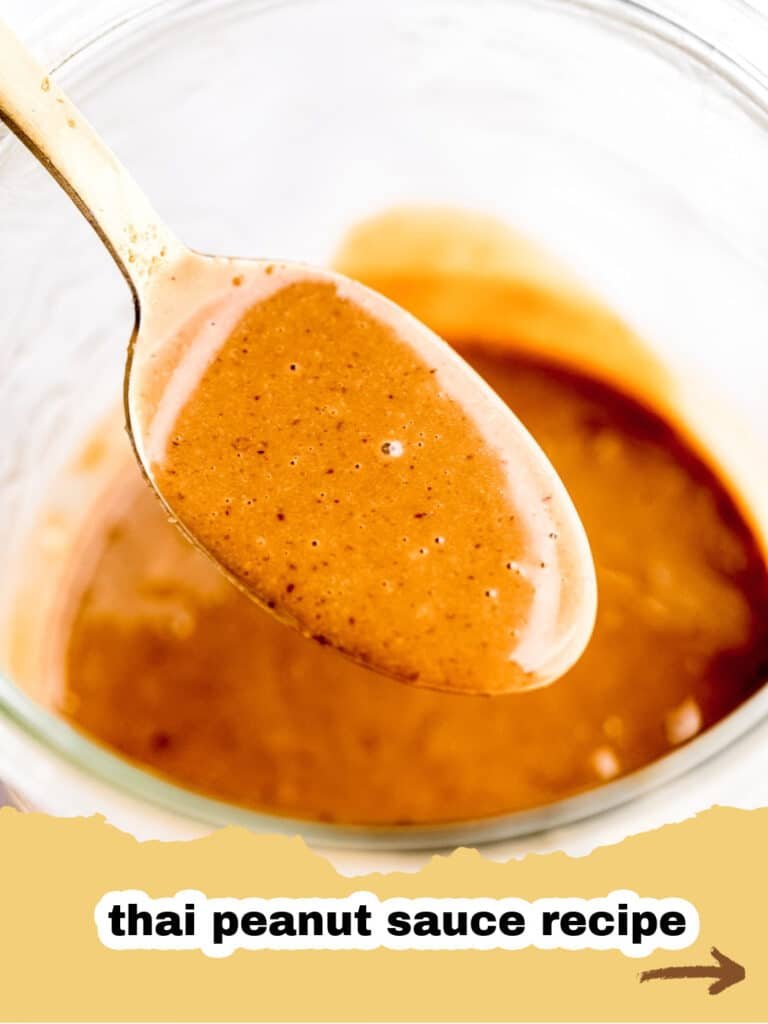
The Ultimate Thai Peanut Sauce
A creamy, savory, and slightly spicy Thai Peanut Sauce perfect for spring rolls, satay, salads, or noodles. Made with simple pantry staples in just 5 minutes.
- Total Time: PT5M
- Yield: 1.5 cups
Ingredients
1/2 cup creamy natural peanut butter
2 tablespoons soy sauce (or Tamari for GF)
1 tablespoon fresh lime juice
1 tablespoon honey or maple syrup
1 teaspoon Sriracha or red curry paste
1/2 teaspoon freshly grated ginger
1 clove garlic, minced
1/4 cup full-fat coconut milk (or warm water to thin)
Instructions
Step 1: In a medium mixing bowl, combine the creamy peanut butter, soy sauce, lime juice, honey, and Sriracha.
Step 2: Whisk the mixture vigorously until the ingredients start to incorporate; it may look a bit thick or separated at first, which is normal.
Step 3: Add the grated ginger and minced garlic, continuing to whisk until the base is well combined.
Step 4: Slowly pour in the coconut milk or warm water, one tablespoon at a time, whisking constantly until the Thai Peanut Sauce reaches your desired consistency.
Step 5: Taste the sauce and adjust the salt, sweetness, or heat by adding more soy sauce, honey, or Sriracha as needed.
Step 6: Transfer to a serving bowl or an airtight container for storage.
Notes
If the sauce thickens in the fridge, whisk in a little warm water before serving to restore the texture.
- Prep Time: PT5M
- Cook Time: PT0M
- Category: Main Dishes & Sides
- Cuisine: Thai
Nutrition
- Serving Size: 2 tablespoons
- Calories: 145 kcal
- Sugar: 4g
- Sodium: 310mg
- Fat: 11g
- Saturated Fat: 3g
- Unsaturated Fat: 8g
- Trans Fat: 0g
- Carbohydrates: 8g
- Fiber: 2g
- Protein: 5g
- Cholesterol: 0mg




Leave a Reply