Unlock the secrets to baking The BEST Cheesecake Recipe with this comprehensive guide. Learn how to achieve a perfectly creamy, crack-free cheesecake every single time, complete with pro tips and serving suggestions.
Nutrition Information (Per Serving)
| Nutrient | Amount |
|---|---|
| Calories | 450 kcal |
| Carbohydrates | 45g |
| Protein | 9g |
| Fat | 28g |
| Saturated Fat | 17g |
| Trans Fat | 0.5g |
| Unsaturated Fat | 9g |
| Cholesterol | 120mg |
| Sodium | 280mg |
| Fiber | 1g |
| Sugar | 35g |
*Estimates based on a 12-serving yield and typical ingredient values. Actual nutritional content may vary based on specific brands and preparation methods.
Conclusion
There you have it – The BEST Cheesecake Recipe, perfected through passion, persistence, and a little bit of baking science. This recipe is more than just ingredients and steps; it’s an invitation to create something truly special, a dessert that brings smiles, creates lasting memories, and satisfies even the most discerning sweet tooth. Don’t be intimidated; follow these steps, embrace the pro tips, and soon you’ll be enjoying a slice of cheesecake perfection that you made with your own hands. Achieving this level of deliciousness with The BEST Cheesecake Recipe is incredibly rewarding. Happy baking, and enjoy every single creamy, dreamy bite!
FAQs
Why does my cheesecake crack?
Cheesecakes commonly crack due to sudden temperature changes during baking and cooling, overmixing the batter (which incorporates too much air), or overbaking. Using a water bath, ensuring all ingredients are at room temperature, and allowing for a gradual cool-down in the oven are key techniques to prevent cracks and achieve The BEST Cheesecake Recipe.
Can I make The BEST Cheesecake Recipe ahead of time?
Absolutely! Cheesecake is an excellent make-ahead dessert. It needs at least 6-8 hours to chill and set properly, but it can be made up to 2-3 days in advance and stored covered in the refrigerator. In fact, many believe the flavor improves and deepens after a day or two in the fridge, making it even more delicious.
What’s the best way to store leftover cheesecake?
Store leftover cheesecake slices or the whole cake (covered) in an airtight container in the refrigerator for up to 5-7 days. To maintain freshness and prevent it from absorbing other odors, ensure it is well-sealed. For longer storage, you can freeze individual slices wrapped tightly in plastic wrap and then foil for up to 1-2 months. Thaw in the refrigerator overnight before serving.
Is a water bath truly necessary for The BEST Cheesecake Recipe?
While some recipes omit it, a water bath is highly recommended, especially for achieving The BEST Cheesecake Recipe. It creates a moist, even heat environment that promotes slow, gentle baking, preventing the edges from cooking faster than the center. This significantly reduces the risk of cracks and ensures a supremely creamy, custardy texture throughout. It’s a small extra step with a huge payoff in terms of quality.
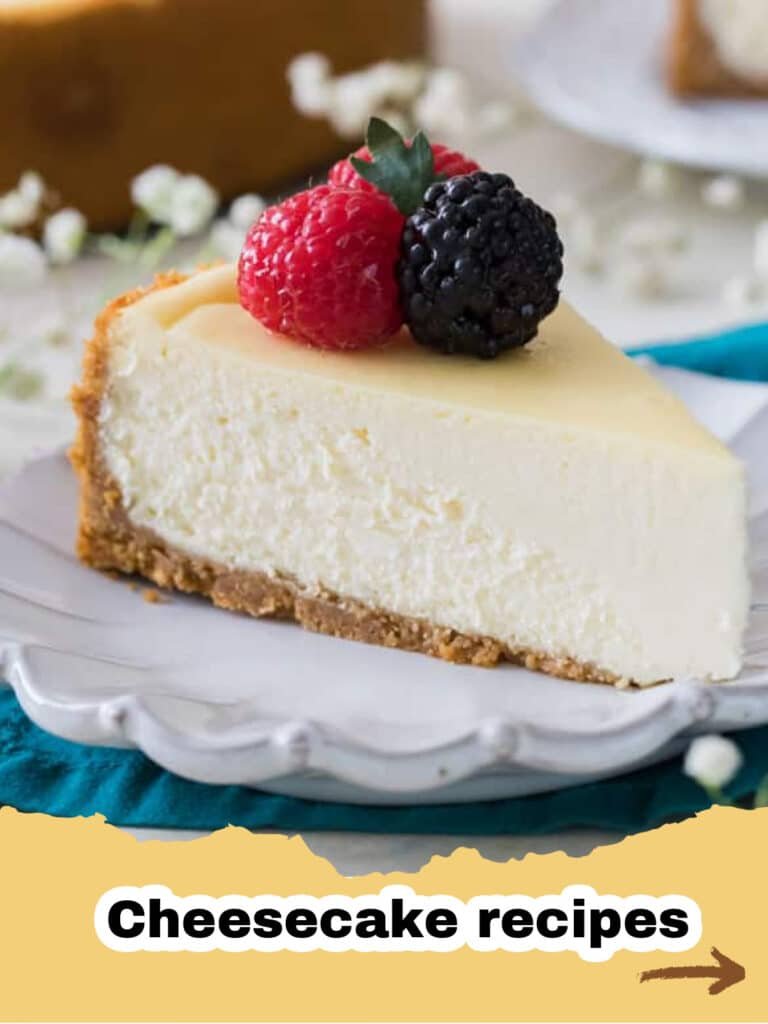
The BEST Cheesecake Recipe
Discover the secrets to baking the ultimate crack-free, creamy, and irresistibly rich cheesecake. This recipe delivers a classic dessert that’s perfect for any occasion, guaranteed to impress.
- Total Time: Minimum 7 hours (includes chilling)
- Yield: 12 servings
Ingredients
1 ½ cups graham cracker crumbs (about 10–12 full graham cracker sheets)
¼ cup granulated sugar
½ cup unsalted butter, melted
4 (8-ounce) blocks full-fat cream cheese, softened to room temperature
1 ½ cups granulated sugar
¼ cup all-purpose flour
1 teaspoon vanilla extract
½ teaspoon salt
4 large eggs, room temperature
1 cup sour cream or heavy cream, room temperature
Instructions
Step 1: Preheat your oven to 350°F (175°C). Wrap the outside of a 9-inch springform pan tightly with several layers of heavy-duty aluminum foil to prevent water from seeping in during the water bath. Ensure the foil goes up the sides.
Step 2: Prepare the crust: In a medium bowl, combine graham cracker crumbs, ¼ cup sugar, and melted butter. Mix until fully moistened. Press the mixture firmly and evenly into the bottom of the prepared springform pan using the back of a spoon or a flat-bottomed glass. Bake for 10 minutes. Remove from oven and let cool completely on a wire rack while you prepare the filling.
Step 3: Reduce oven temperature to 325°F (160°C).
Step 4: Prepare the filling: In a large mixing bowl, using an electric mixer on medium speed, beat the softened cream cheese until completely smooth and free of any lumps, about 2-3 minutes. Scrape down the sides of the bowl frequently to ensure even beating.
Step 5: Gradually add 1 ½ cups sugar, beating on low speed until just combined and smooth. Scrape down the bowl again to ensure no sugar remains unmixed.
Step 6: Beat in the all-purpose flour, vanilla extract, and salt until just incorporated. Continue to scrape down the bowl.
Step 7: Add the eggs one at a time, beating on low speed *just until the yolk disappears* after each addition. This step is critical: do not overmix! Overmixing incorporates too much air, which can cause cracks in your finished cheesecake.
Step 8: Gently fold in the sour cream or heavy cream with a spatula until smooth. Ensure there are no streaks of unmixed cream cheese or sour cream, but again, avoid overmixing.
Step 9: Pour the smooth cheesecake filling over the cooled crust in the springform pan. Gently tap the pan on the counter a few times to release any large air bubbles.
Step 10: Prepare the water bath: Place the foil-wrapped springform pan into a larger roasting pan. Carefully pour hot (but not boiling) water into the roasting pan, ensuring it reaches about halfway up the sides of the springform pan. Be careful not to splash water into the cheesecake batter.
Step 11: Carefully transfer the roasting pan with the cheesecake to the preheated oven. Place it on the middle rack.
Step 12: Bake for 1 hour to 1 hour 15 minutes, or until the edges are set and slightly puffed, but a 2-3 inch circle in the center still has a slight jiggle when gently shaken. Do not overbake! The center will continue to set as it cools.
Step 13: Turn off the oven, prop the door open slightly with a wooden spoon or oven mitt, and let the cheesecake cool in the oven for 1 hour. This gradual cooling prevents sudden temperature changes that can shock the cheesecake and lead to cracks.
Step 14: Remove the cheesecake from the water bath and the roasting pan. Carefully remove the foil from around the springform pan. Let it cool completely on a wire rack at room temperature for another 1-2 hours.
Step 15: Once completely cool, cover the cheesecake loosely with plastic wrap and refrigerate for at least 6-8 hours, or preferably overnight, until thoroughly chilled and set. This chilling time is crucial for the cheesecake’s texture and stability.
Step 16: Before serving, run a thin knife around the edge of the pan to loosen the cheesecake, then release the springform collar. For the cleanest slices, use a long, thin knife warmed under hot water and wiped dry between each cut. Serve plain or with your favorite toppings.
Notes
For the creamiest texture, ensure all dairy ingredients and eggs are at room temperature before mixing. Do not open the oven door during baking, especially during the first hour. The gradual cooling process in the oven is crucial for preventing cracks and maintaining a smooth top.
- Prep Time: 30 minutes
- Cook Time: 1 hour 15 minutes
- Category: Dessert
- Cuisine: American
Nutrition
- Serving Size: 1 slice
- Calories: 450 kcal
- Sugar: 35g
- Sodium: 280mg
- Fat: 28g
- Saturated Fat: 17g
- Unsaturated Fat: 9g
- Trans Fat: 0.5g
- Carbohydrates: 45g
- Fiber: 1g
- Protein: 9g
- Cholesterol: 120mg
Leave a Reply