This Thai Peanut Sauce Recipe is the absolute secret weapon in my kitchen, and once you try it, you will never go back to the store-bought bottles again.
I remember the first time I tasted a truly authentic peanut sauce. It was at a tiny, sun-drenched street stall in the heart of Chiang Mai. The vendor, a grandmotherly figure with a quick smile, was whisking a thick, aromatic paste over a small charcoal burner. The smell was intoxicating—a heady mix of roasted nuts, spicy curry, and sweet coconut. When I dipped a skewer of grilled meat into that golden liquid, I knew I had found flavor perfection. For years, I tried to replicate that exact balance of salty, sweet, sour, and spicy. After dozens of trials and many jars of peanut butter later, I finally perfected this Thai Peanut Sauce Recipe. It is rich, velvety, and packs just enough punch to keep things interesting. Whether you are using it as a dip, a dressing, or a marinade, this recipe brings a piece of that Thai street market right into your home kitchen.
Why This Recipe is a Must-Try
- Incredible Speed: You can whip up this Thai Peanut Sauce Recipe in under 5 minutes. It is perfect for those chaotic weeknights when you need a flavor boost without the wait.
- Complete Versatility: It pairs perfectly with everything from fresh spring rolls to grilled meats like My Secret to the Juiciest, Most Flavorful Baked Chicken Ever!.
- Better Than Restaurant Quality: By making this Thai Peanut Sauce Recipe at home, you control the quality of ingredients, ensuring no weird preservatives or excessive sugars.
- Customizable Heat: You can easily adjust the spice level to suit your family’s preferences, making it a kid-friendly staple.
Key Ingredient Notes
To make the best Thai Peanut Sauce Recipe, the quality of your ingredients matters. First, let’s talk about the peanut butter. While you can use any brand, I highly recommend a creamy, natural peanut butter. The kind that only has peanuts and salt as ingredients provides a much more robust nut flavor without the artificial sweetness found in commercial brands. If you prefer a bit of texture, a crunchy variety works surprisingly well too!
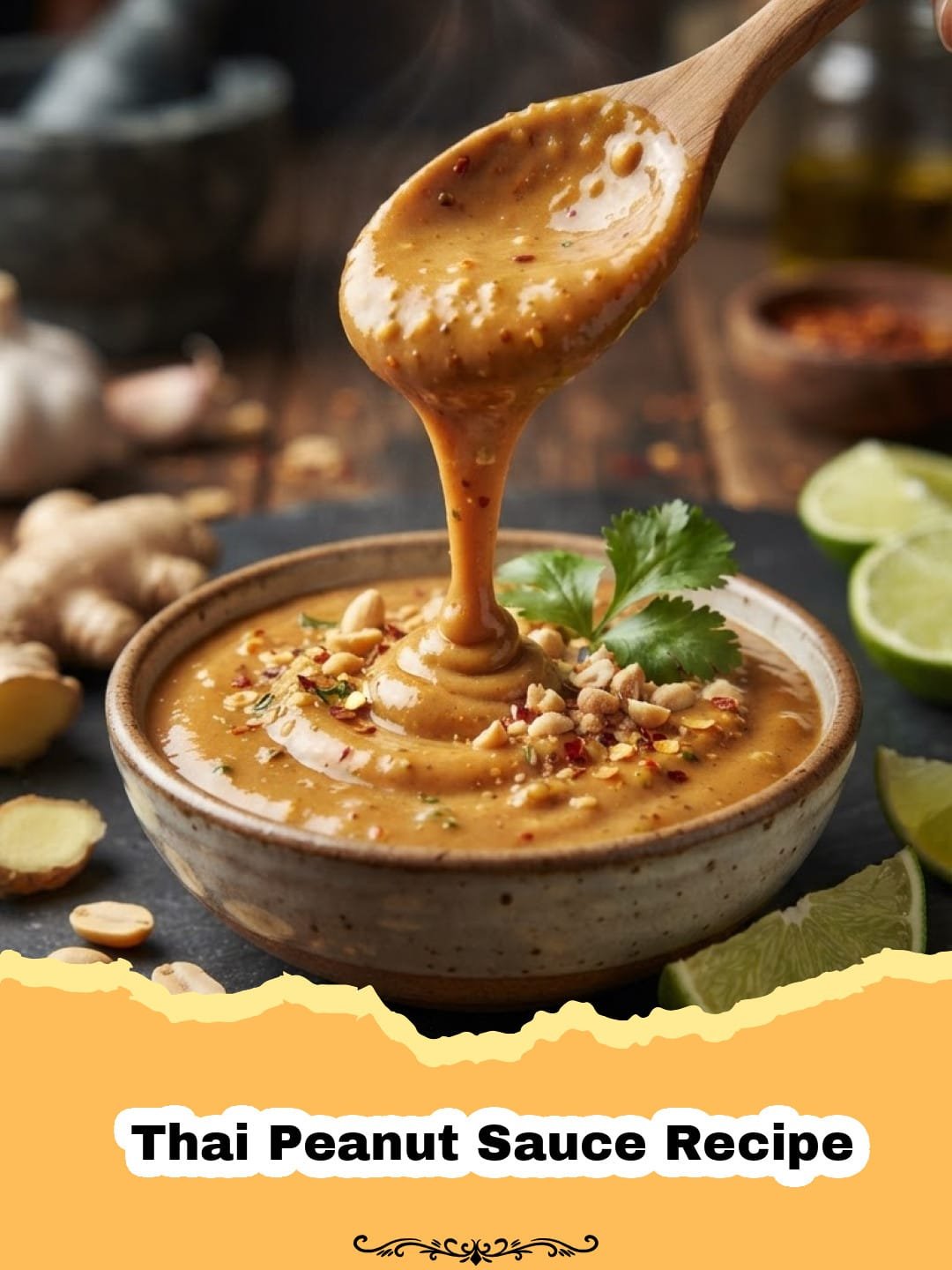
Second, the coconut milk is crucial for that signature Thai Peanut Sauce Recipe silkiness. Always reach for full-fat canned coconut milk. The lite versions often lack the fat necessary to emulsify the sauce properly, which can lead to a watery consistency. Finally, the red curry paste is what gives this Thai Peanut Sauce Recipe its soul. A small spoonful provides depth and a hint of lemongrass and galangal that makes the sauce taste truly authentic.
Step-by-Step Guide with Pro Tips
Creating this Thai Peanut Sauce Recipe is remarkably simple, but there are a few pro tips to ensure the texture is always spot on. Start by placing your peanut butter in a microwave-safe bowl or a small saucepan over low heat. Softening the peanut butter slightly makes it much easier to incorporate the other liquids. As you begin to whisk in the coconut milk, do it gradually. If you dump all the liquid in at once, the Thai Peanut Sauce Recipe might break or become lumpy.
If your sauce looks too thick, simply add a tablespoon of warm water at a time until you reach your desired consistency. Remember that this Thai Peanut Sauce Recipe will thicken as it cools, so if you are making it ahead of time, leave it slightly thinner than you think you need. For the best flavor development, let the sauce sit for about 10 minutes before serving. This allows the garlic, ginger, and lime to fully meld with the fats of the peanut butter. If you have leftovers, I always store mine in Basics Glass Food Storage containers to keep the flavors fresh and prevent the sauce from picking up any fridge odors.
Variations & Serving Suggestions
This Thai Peanut Sauce Recipe is a blank canvas for your culinary creativity. If you want a zesty kick, add a teaspoon of sriracha or extra red pepper flakes. For a vegan-friendly version, ensure your red curry paste does not contain shrimp paste. If you are looking for a lower-carb option to pair with this sauce, it tastes phenomenal drizzled over Spice Up Your Low-Carb Life: The Ultimate Keto Bang Bang Shrimp! for a fusion of flavors that will blow your mind.
Serving suggestions are endless. Use this Thai Peanut Sauce Recipe as a dipping sauce for fresh veggie sticks, a base for a cold noodle salad, or even as a decadent sauce for a Thai-inspired pizza. It is also the ultimate companion for chicken satay or tofu skewers. If you find yourself with extra sauce, try thinning it out with a little more lime juice and rice vinegar to create a vibrant salad dressing that will make even a simple bowl of greens taste like a gourmet meal.
Nutrition Information
Understanding what goes into your body is important. Here is a breakdown of the nutritional content for a standard serving of this Thai Peanut Sauce Recipe.
| Nutrient | Amount per Serving |
|---|---|
| Calories | 180 kcal |
| Total Fat | 14g |
| Saturated Fat | 6g |
| Trans Fat | 0g |
| Unsaturated Fat | 8g |
| Cholesterol | 0mg |
| Sodium | 210mg |
| Carbohydrates | 9g |
| Fiber | 2g |
| Sugar | 4g |
| Protein | 6g |
Please note that these values for the Thai Peanut Sauce Recipe are estimates based on standard ingredients and may vary depending on the brands you choose to use.
Conclusion
Mastering this Thai Peanut Sauce Recipe is a guaranteed way to elevate your cooking game. It is easy, delicious, and incredibly satisfying to make from scratch. Once you have a jar of this in your fridge, you will find yourself reaching for it constantly. I hope this Thai Peanut Sauce Recipe brings as much joy to your dinner table as it does to mine! Don’t forget to experiment with the ratios and find your perfect balance of sweet and spicy. Happy cooking!
FAQs
How long does this Thai Peanut Sauce Recipe last in the fridge?
When stored in an airtight container, this Thai Peanut Sauce Recipe will stay fresh for up to 7-10 days in the refrigerator. It may thicken as it cools, so just whisk in a little warm water before serving.
Can I make this Thai Peanut Sauce Recipe vegan?
Yes! This Thai Peanut Sauce Recipe is easily made vegan by using maple syrup or agave instead of honey, and ensuring your red curry paste does not contain shrimp paste.
Can I freeze Thai Peanut Sauce?
Yes, you can freeze this Thai Peanut Sauce Recipe for up to 3 months. Thaw it in the refrigerator overnight and give it a good whisk or a quick blend to bring the creamy texture back together.
Authentic Thai Peanut Sauce
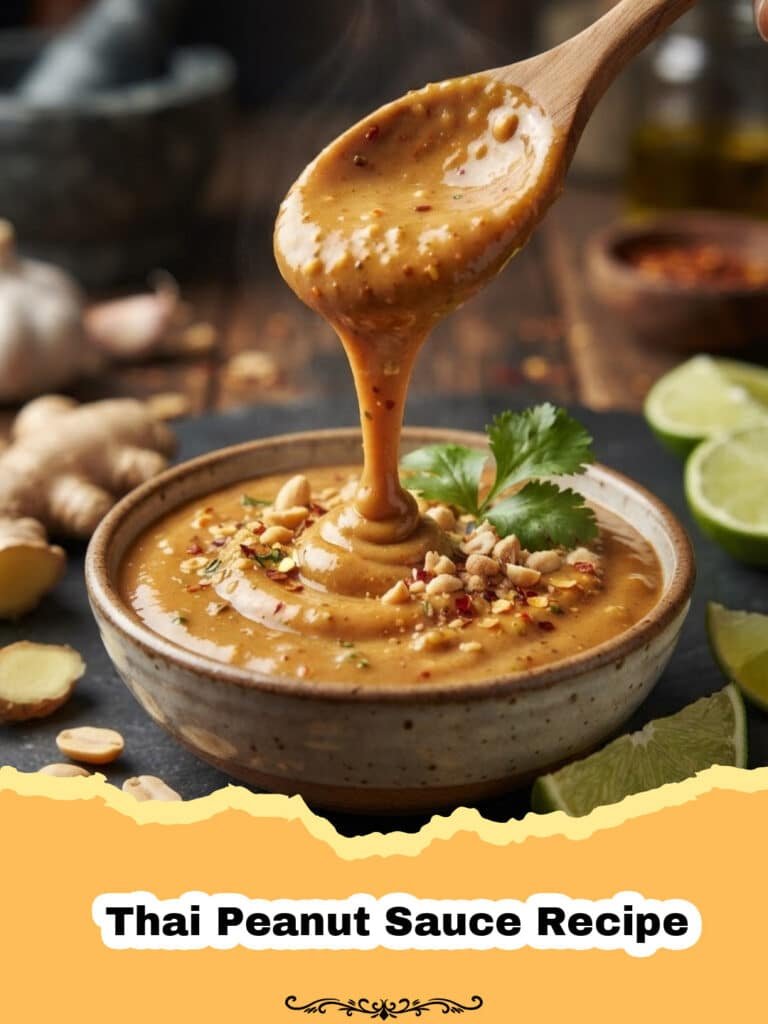
A rich, creamy, and authentic Thai Peanut Sauce Recipe that takes only 5 minutes to prepare. Perfect for dipping, noodles, or as a savory dressing.
- Total Time: PT5M
- Yield: 1.5 cups
Ingredients
1/2 cup creamy peanut butter
1/2 cup full-fat canned coconut milk
2 tablespoons soy sauce (or tamari for gluten-free)
1 tablespoon honey or maple syrup
1 tablespoon lime juice
1 teaspoon red curry paste
1/2 teaspoon freshly grated ginger
1 clove garlic, minced
1–2 tablespoons warm water (to thin if needed)
Instructions
Step 1: Combine the peanut butter, coconut milk, and red curry paste in a medium-sized mixing bowl.
Step 2: Whisk the mixture vigorously until the peanut butter and coconut milk are fully integrated and smooth.
Step 3: Add the soy sauce, honey, lime juice, grated ginger, and minced garlic to the bowl.
Step 4: Continue whisking until all the aromatics are evenly distributed throughout the Thai Peanut Sauce Recipe.
Step 5: Taste the sauce and adjust the seasoning, adding more lime for acidity or honey for sweetness if desired.
Step 6: If the Thai Peanut Sauce Recipe is too thick, whisk in warm water one tablespoon at a time until the desired consistency is reached.
Step 7: Serve immediately at room temperature or store in the refrigerator for later use.
Notes
For a smoother sauce, use a mini-blender. For a spicy kick, add a teaspoon of Sambal Oelek.
- Prep Time: PT5M
- Cook Time: PT0M
- Category: Sauce
- Cuisine: Thai
Nutrition
- Serving Size: 2 tablespoons
- Calories: 180
- Sugar: 4g
- Sodium: 210mg
- Fat: 14g
- Saturated Fat: 6g
- Unsaturated Fat: 8g
- Trans Fat: 0g
- Carbohydrates: 9g
- Fiber: 2g
- Protein: 6g
- Cholesterol: 0mg
Leave a Reply