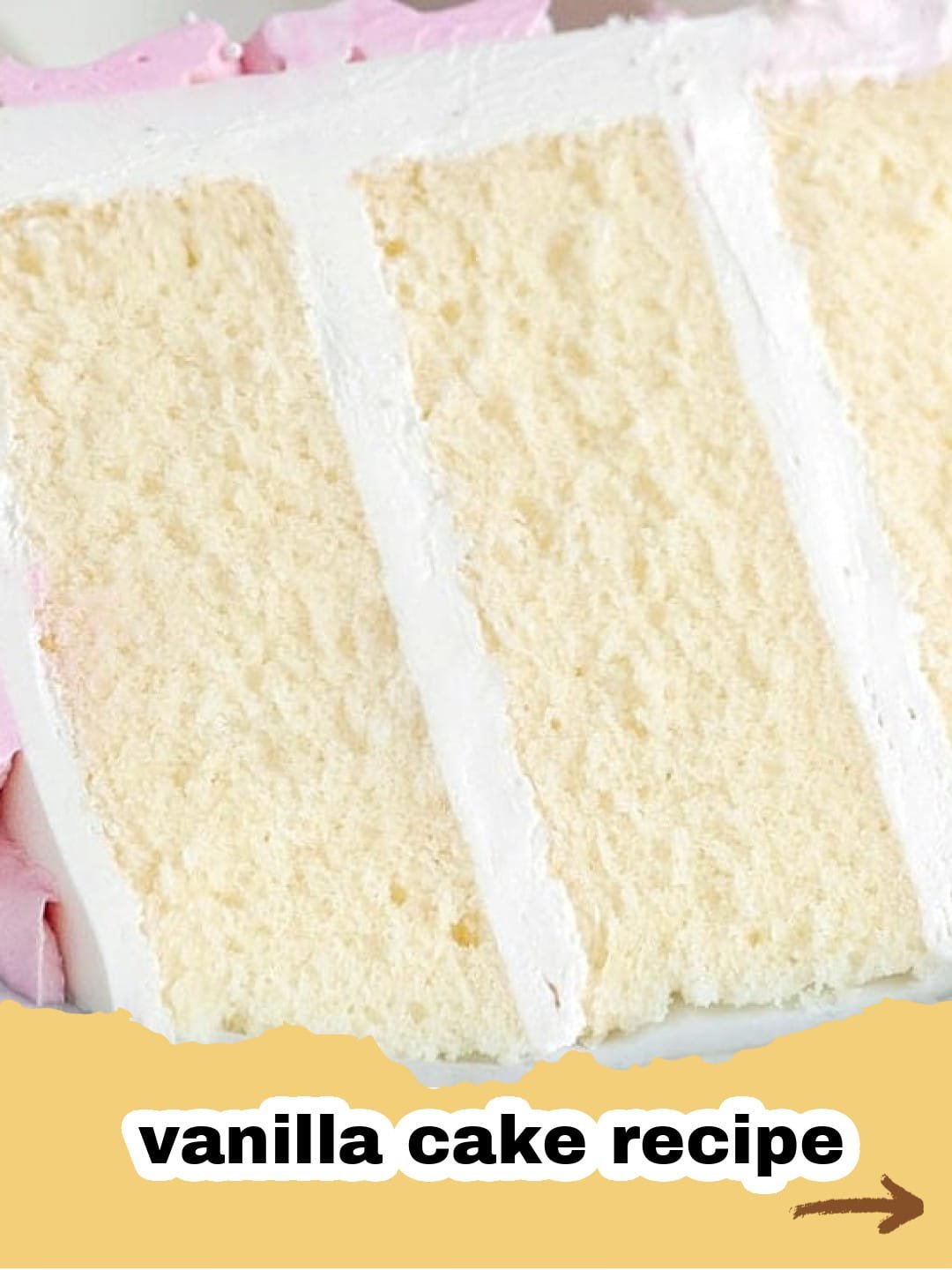
Ah, the classic vanilla cake recipe. For me, it's more than just a dessert; it's a taste of nostalgia. I remember my grandmother's kitchen, filled with the warm, sweet scent of vanilla and baking butter. Every birthday, every family gathering, there it was – her perfect, cloud-like vanilla cake, adorned with simple, creamy buttercream. It wasn't overly fancy, but it was pure magic. As a child, I’d watch her, mesmerized, as she meticulously measured and mixed, sharing little nuggets of baking wisdom. "Always use room temperature ingredients, darling," she’d say, her hands dusted with flour. That simple vanilla cake recipe was her legacy, a symbol of love and celebration. Over the years, I’ve refined and tested, trying to capture that same ethereal texture and comforting flavor, and I believe I’ve finally cracked the code. This isn't just a cake; it's a hug in dessert form, a tribute to those cherished memories, and now, it's your turn to create your own.
Why This Recipe is a Must-Try
- Unbelievably Fluffy & Moist: This vanilla cake recipe yields a cake that's tender, light, and never dry, thanks to a few simple but crucial techniques.
- Rich, Authentic Vanilla Flavor: We don't skimp on the good stuff! High-quality vanilla extract is key to its exceptional taste.
- Perfect for Any Occasion: From birthdays to weeknight treats, this classic vanilla cake recipe is versatile and always a crowd-plepleaser.
- Easy to Follow: Designed for bakers of all levels, with clear steps and pro tips to ensure success every time you try this vanilla cake recipe.
Key Ingredient Notes
While this vanilla cake recipe uses common ingredients, understanding their role and using them correctly makes all the difference.
High-Quality Vanilla Extract
This is a vanilla cake, so the vanilla flavor needs to shine! Invest in a good quality pure vanilla extract, not imitation vanilla. The difference in aroma and taste is truly incomparable and will elevate your vanilla cake recipe from good to extraordinary. You'll thank yourself for not compromising on this.
Room Temperature Butter and Eggs
This might sound like a small detail, but it’s critical for achieving the perfect texture in your vanilla cake recipe. Room temperature butter creams beautifully with sugar, creating tiny air pockets that contribute to a light and fluffy crumb. Room temperature eggs emulsify better with the butter mixture, preventing a curdled batter and resulting in a smoother, more uniform cake.
Buttermilk
Buttermilk adds an incredible tenderness and subtle tang to this vanilla cake recipe. Its acidity reacts with the baking soda, helping the cake rise and creating a finer crumb. If you don't have buttermilk on hand, you can make your own by adding 1 tablespoon of white vinegar or lemon juice to a measuring cup, then filling the rest with whole milk until it reaches 1 cup. Let it sit for 5-10 minutes until it slightly curdles before using.
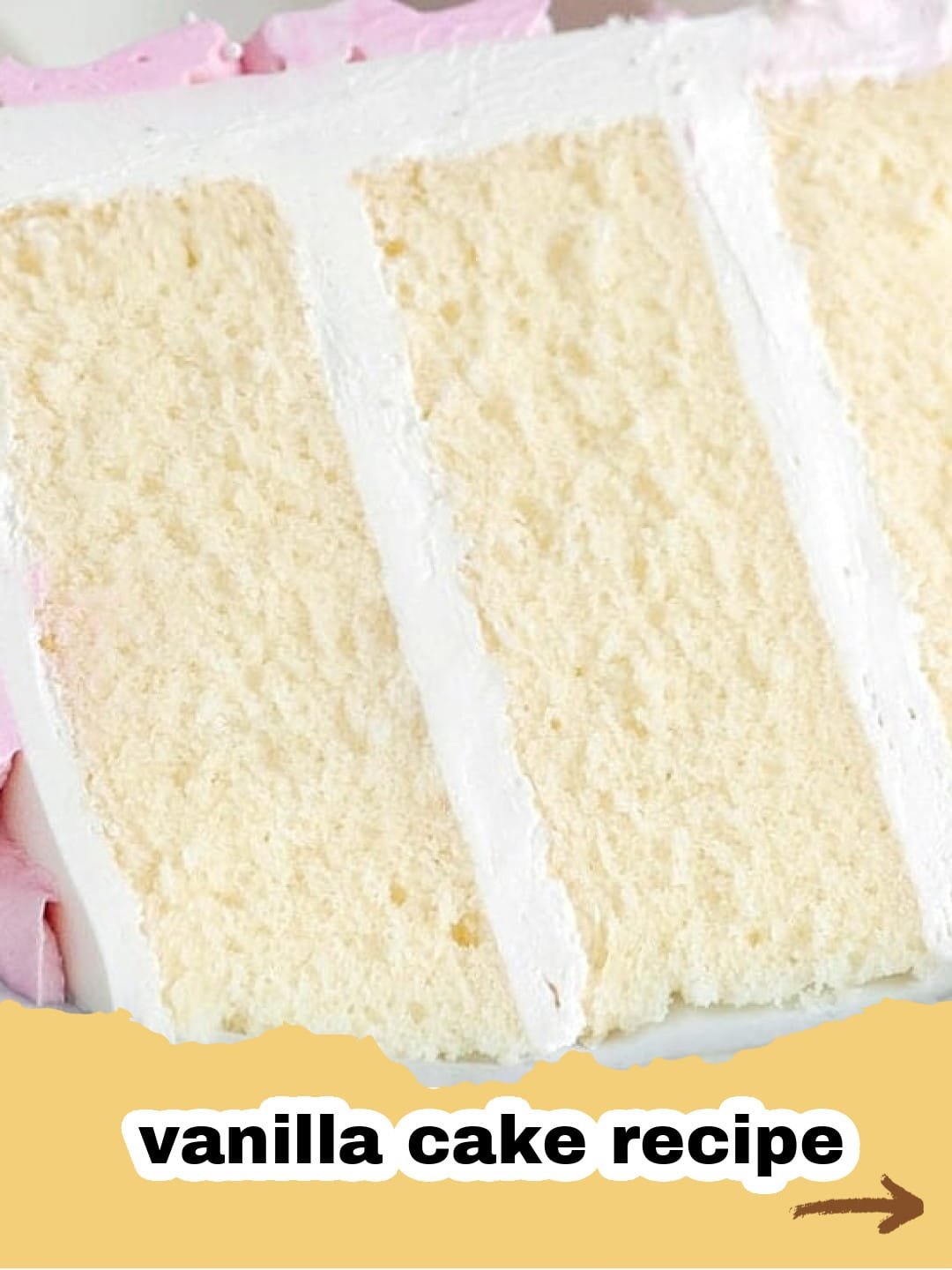
Step-by-Step Guide with Pro Tips
Ready to bake the best vanilla cake recipe of your life? Follow these steps closely for a truly spectacular result!
- Step 1: Preheat your oven to 350°F (175°C). Grease and flour two 9-inch round cake pans or line with parchment paper. This crucial first step ensures your beautiful vanilla cake recipe doesn't stick.
- Step 2: In a medium bowl, whisk together the all-purpose flour, baking powder, and salt. Set aside. Combining the dry ingredients thoroughly now ensures even distribution throughout your vanilla cake recipe batter.
- Step 3: In a large bowl, using an electric mixer, cream together the softened unsalted butter and granulated sugar on medium-high speed until light and fluffy, about 3-5 minutes. This is key for incorporating air, making your vanilla cake recipe light.
- Step 4: Beat in the eggs one at a time, mixing well after each addition. Then, stir in the pure vanilla extract. Don't rush this part; ensuring each egg is fully incorporated before adding the next helps with emulsion and consistency for your vanilla cake recipe.
- Step 5: Gradually add the dry ingredients to the wet ingredients in three additions, alternating with the buttermilk, beginning and ending with the dry ingredients. Mix on low speed until just combined after each addition. Be careful not to overmix, as this can lead to a tough cake. The less you mix, the more tender your vanilla cake recipe will be.
- Step 6: Divide the batter evenly between the prepared cake pans. Smooth the tops with a spatula.
- Step 7: Bake for 30-35 minutes, or until a wooden skewer inserted into the center of the cakes comes out clean. Baking times can vary, so keep an eye on your vanilla cake recipe.
- Step 8: Let the cakes cool in the pans for 10-15 minutes before inverting them onto a wire rack to cool completely. Do not try to frost warm cakes, or your frosting will melt.
- Step 9: Once completely cool, frost your vanilla cake recipe with your favorite buttercream. This vanilla cake recipe pairs perfectly with a classic vanilla buttercream or even a chocolate frosting.
Variations & Serving Suggestions
This ultimate vanilla cake recipe is a fantastic base for endless creativity. Here are some ideas to make it your own:
- Lemon Zest: Add the zest of one lemon to the batter for a bright, citrusy twist on the classic vanilla cake recipe.
- Almond Extract: Substitute half of the vanilla extract with almond extract for a subtle, nutty flavor.
- Fruit Filling: Between the layers, add a thin layer of raspberry jam, lemon curd, or fresh sliced strawberries. This elevates the flavor profile of your vanilla cake recipe beautifully.
- Chocolate Chips: Fold in 1 cup of mini chocolate chips into the batter for a fun, kid-friendly version.
- Different Frostings: While a classic vanilla buttercream is divine, this vanilla cake recipe also pairs wonderfully with cream cheese frosting, chocolate ganache, or even a light whipped cream for a less sweet option.
- Dessert Table Star: Serve slices of this moist vanilla cake recipe alongside other treats like an easy pasta salad and baked chicken breast for a full celebratory meal.
- Storage: Leftovers can be stored in an airtight container at room temperature for up to 3 days, or in the refrigerator for up to 5 days. Consider using durable Basics Glass Food Storage containers to keep your vanilla cake recipe fresh.
Nutrition Information
| Nutrient | Amount Per Serving |
|---|---|
| Calories | 420 kcal |
| Carbohydrate Content | 60g |
| Cholesterol Content | 95mg |
| Fat Content | 19g |
| Fiber Content | 1g |
| Protein Content | 5g |
| Saturated Fat Content | 11g |
| Serving Size | 1 slice (approx. 100g) |
| Sodium Content | 280mg |
| Sugar Content | 40g |
| Trans Fat Content | 0.5g |
| Unsaturated Fat Content | 7g |
There you have it – my tried-and-true vanilla cake recipe, perfected over years and imbued with cherished memories. Whether you're baking for a special occasion or simply craving a comforting slice of cake, this recipe promises to deliver pure joy. It’s more than just flour, sugar, and eggs; it’s an invitation to create, to celebrate, and to share. I hope this vanilla cake recipe brings as much happiness to your table as it has to mine. Happy baking!
FAQs
What makes this vanilla cake recipe so fluffy and moist?
The secret to this vanilla cake recipe's fluffiness and moisture lies in using room temperature ingredients (butter, eggs, buttermilk), proper creaming of butter and sugar to incorporate air, and buttermilk for tenderness. We also avoid overmixing the batter, which can lead to a tough cake.
Can I make this vanilla cake recipe ahead of time?
Yes, you can! The unfrosted cake layers can be baked a day or two in advance. Once completely cooled, wrap them tightly in plastic wrap and store at room temperature. For longer storage, freeze the wrapped layers for up to a month. Thaw at room temperature before frosting.
What type of vanilla extract is best for this vanilla cake recipe?
For the best flavor in your vanilla cake recipe, always use pure vanilla extract. Avoid imitation vanilla, as it lacks the complex depth of flavor that pure extract provides. A good quality Bourbon or Madagascar vanilla extract will make a significant difference.
How should I store leftover vanilla cake?
Store leftover vanilla cake in an airtight container at room temperature for up to 3 days. If it's a very hot day or your frosting contains fresh dairy that might spoil quickly, it's best to refrigerate it for up to 5 days. Bring slices to room temperature before serving for the best texture.
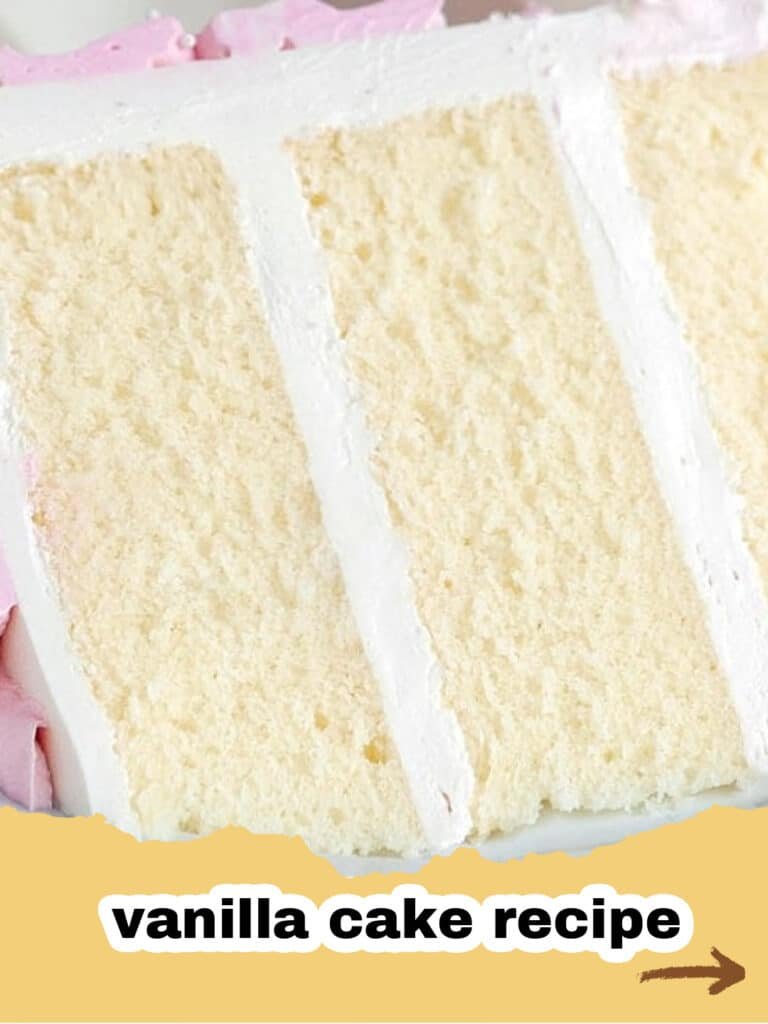
The Ultimate Fluffy Vanilla Cake Recipe
This is the ultimate classic vanilla cake recipe, yielding a perfectly moist, tender, and fluffy cake with a rich vanilla flavor. It's an easy-to-follow recipe, perfect for any celebration, from birthdays to simple gatherings. Achieve bakery-quality results at home!
- Total Time: 1 hour 15 minutes
- Yield: 12 servings (one 9-inch two-layer cake)
Ingredients
2 ¾ cups (330g) all-purpose flour
1 tablespoon baking powder
½ teaspoon salt
1 cup (226g) unsalted butter, softened to room temperature
2 cups (400g) granulated sugar
4 large eggs, room temperature
1 tablespoon pure vanilla extract
1 cup (240ml) buttermilk, room temperature
For frosting: 1 cup (226g) unsalted butter, softened
4 cups (480g) powdered sugar, sifted
2-3 tablespoons milk or cream
1 teaspoon pure vanilla extract
Pinch of salt
Instructions
Step 1: Preheat your oven to 350°F (175°C). Grease and flour two 9-inch round cake pans, or line the bottoms with parchment paper and grease the sides.
Step 2: In a medium bowl, whisk together the all-purpose flour, baking powder, and salt until well combined. Set aside.
Step 3: In a large bowl, using an electric mixer, cream together the softened unsalted butter and granulated sugar on medium-high speed until light, fluffy, and pale in color, about 3-5 minutes. Scrape down the sides of the bowl as needed.
Step 4: Beat in the eggs one at a time, mixing well after each addition until fully incorporated. Stir in the pure vanilla extract.
Step 5: Gradually add the dry ingredients to the wet ingredients in three additions, alternating with the buttermilk. Begin and end with the dry ingredients. Mix on low speed until just combined after each addition. Be careful not to overmix the batter.
Step 6: Divide the batter evenly between the prepared cake pans. Smooth the tops with a spatula.
Step 7: Bake for 30-35 minutes, or until a wooden skewer or toothpick inserted into the center of the cakes comes out clean. The cakes should be lightly golden on top.
Step 8: Let the cakes cool in the pans for 10-15 minutes before inverting them onto a wire rack to cool completely. Ensure cakes are fully cooled before frosting.
Step 9: While cakes cool, prepare the buttercream: In a large bowl, beat softened butter until creamy. Gradually add sifted powdered sugar, milk/cream, vanilla, and salt. Beat on high speed until light and fluffy. Frost your cooled cake layers and serve.
Notes
For the best results, ensure all cold ingredients (butter, eggs, buttermilk) are at room temperature before you start. This helps create a smooth, emulsified batter and a tender crumb. Do not overmix the batter once the flour is added; mix only until just combined to prevent a tough cake. For homemade buttermilk, add 1 tablespoon of lemon juice or white vinegar to a measuring cup and fill the rest with whole milk to make 1 cup; let sit for 5-10 minutes before using.
- Prep Time: 30 minutes
- Cook Time: 30-35 minutes
- Category: Dessert
- Cuisine: American
Nutrition
- Serving Size: 1 slice (approx. 100g)
- Calories: 420 kcal
- Sugar: 40g
- Sodium: 280mg
- Fat: 19g
- Saturated Fat: 11g
- Unsaturated Fat: 7g
- Trans Fat: 0.5g
- Carbohydrates: 60g
- Fiber: 1g
- Protein: 5g
- Cholesterol: 95mg

Leave a Reply